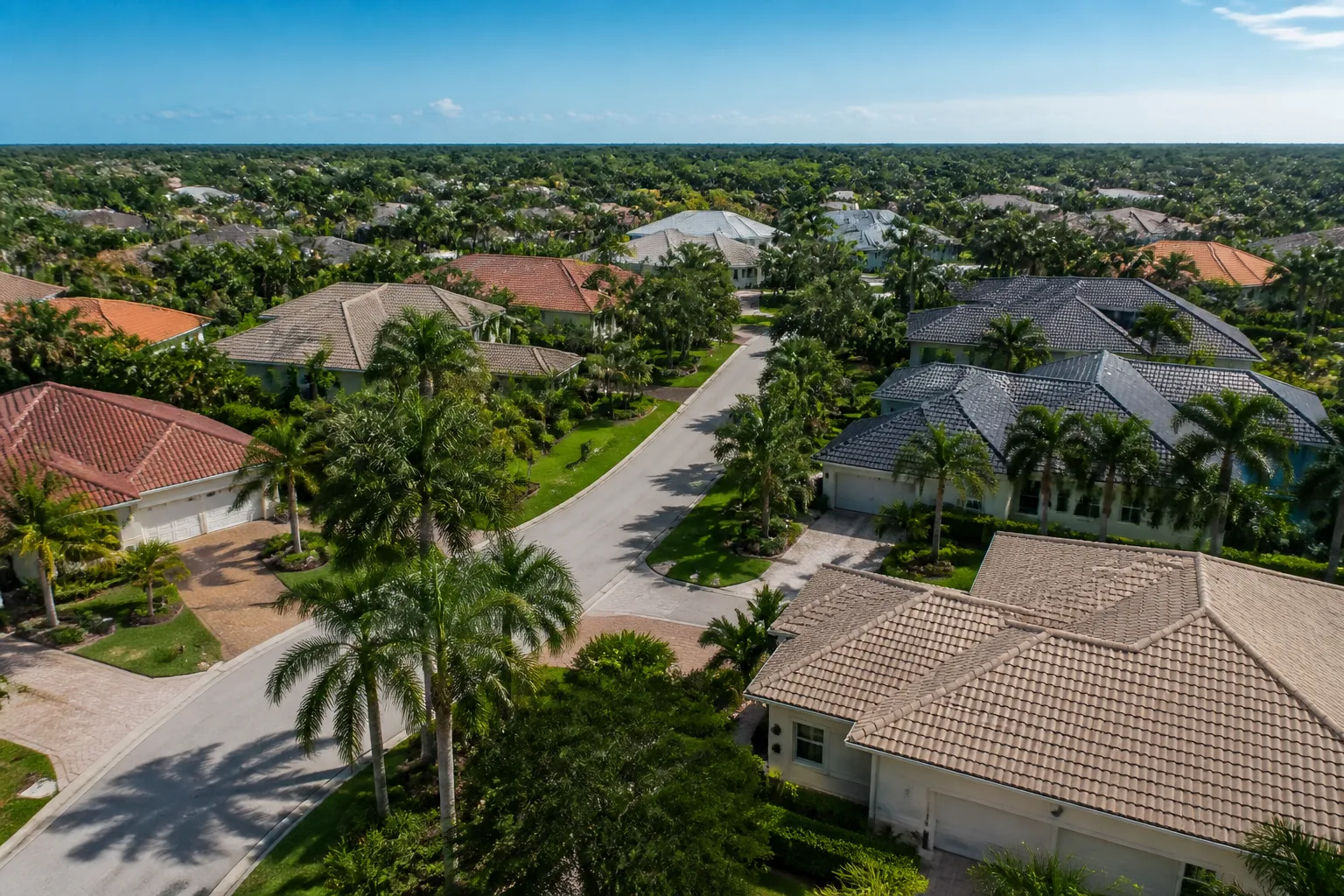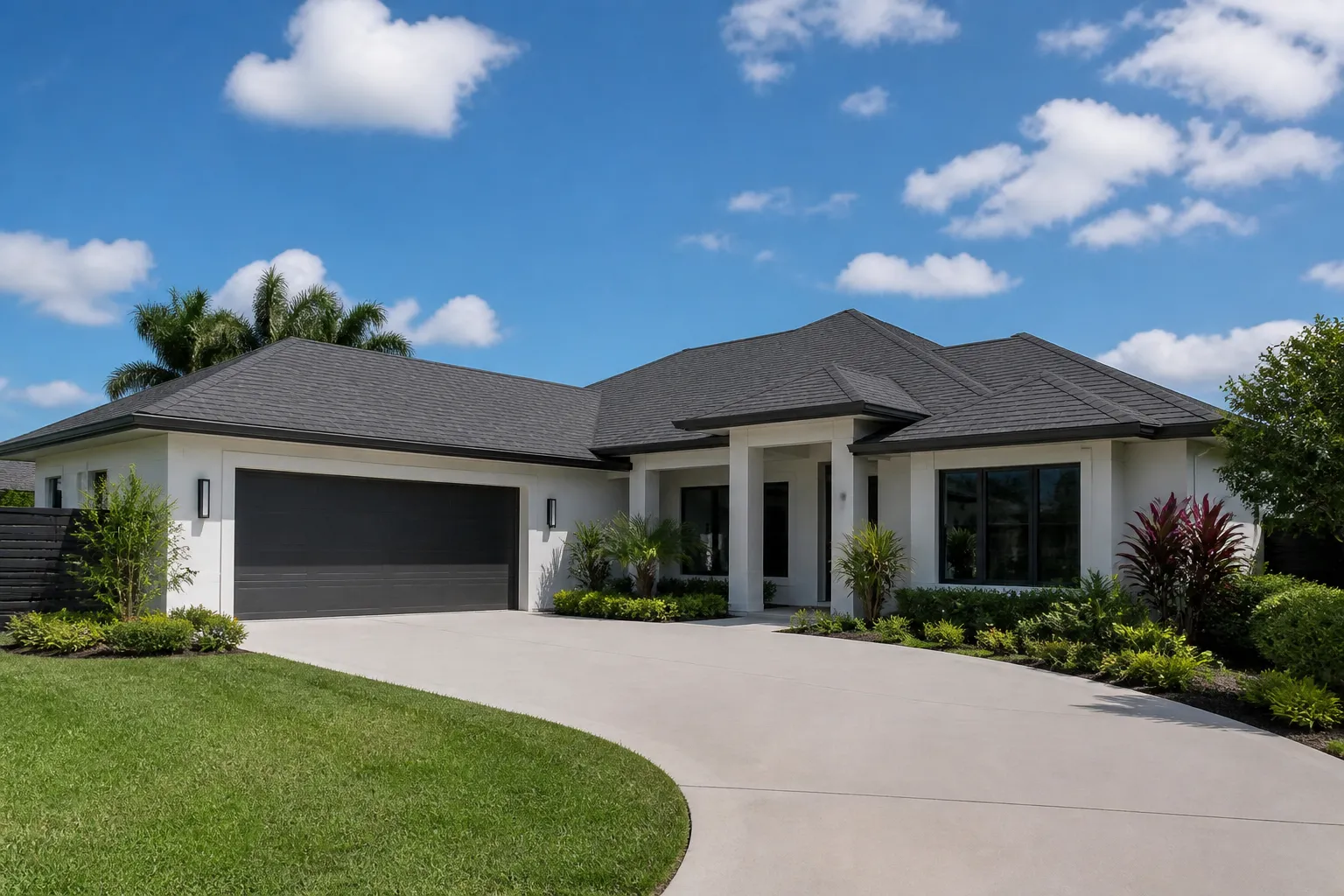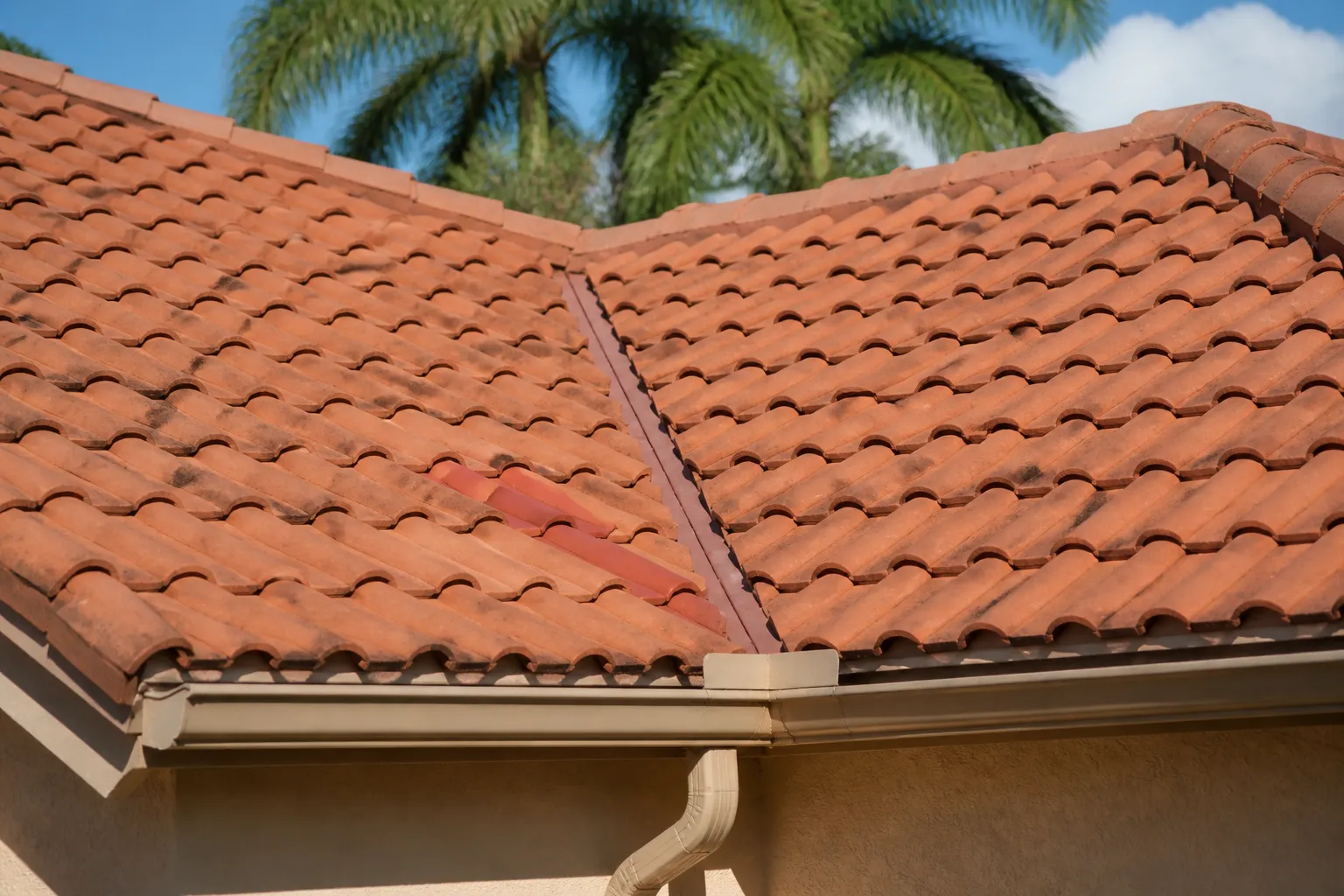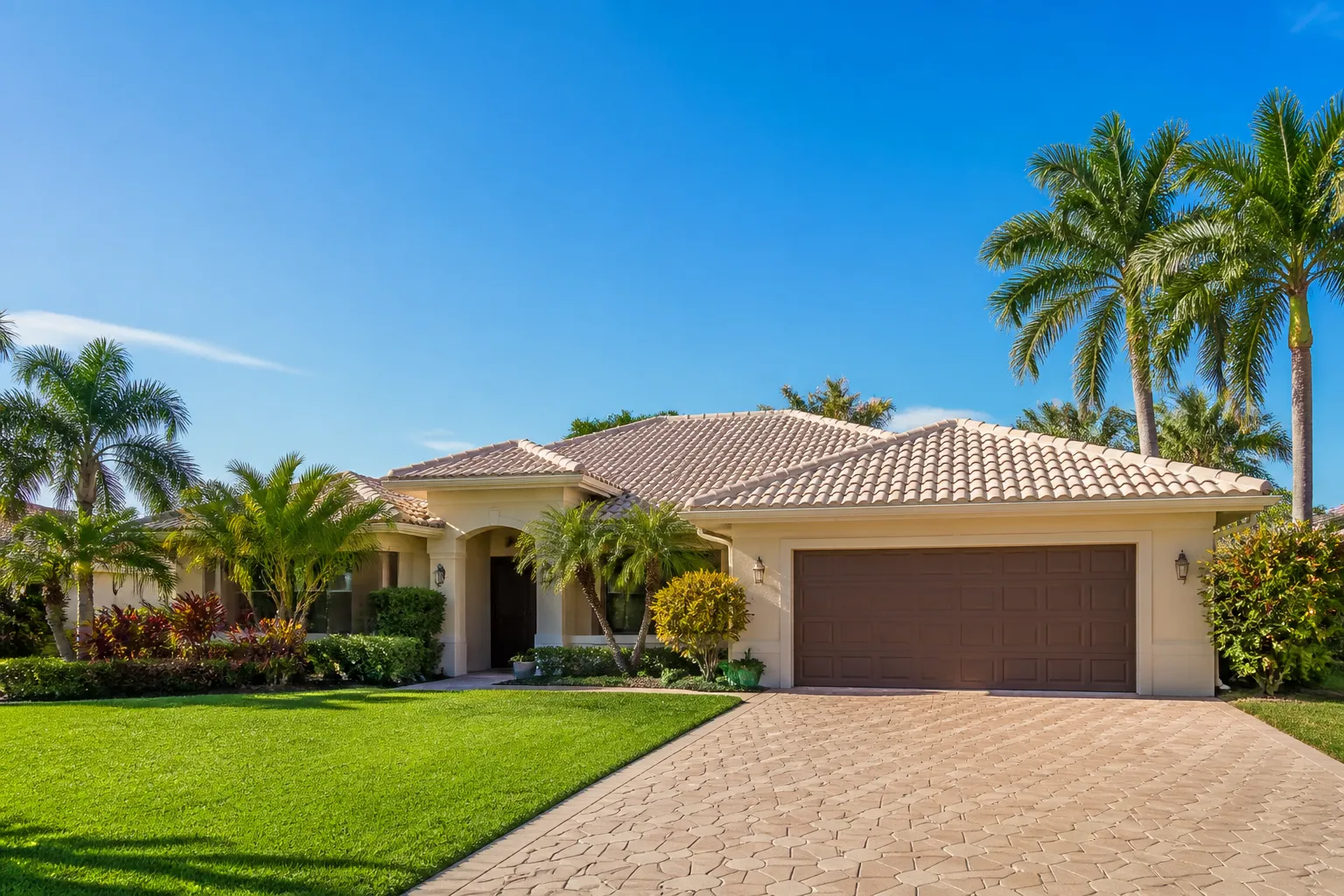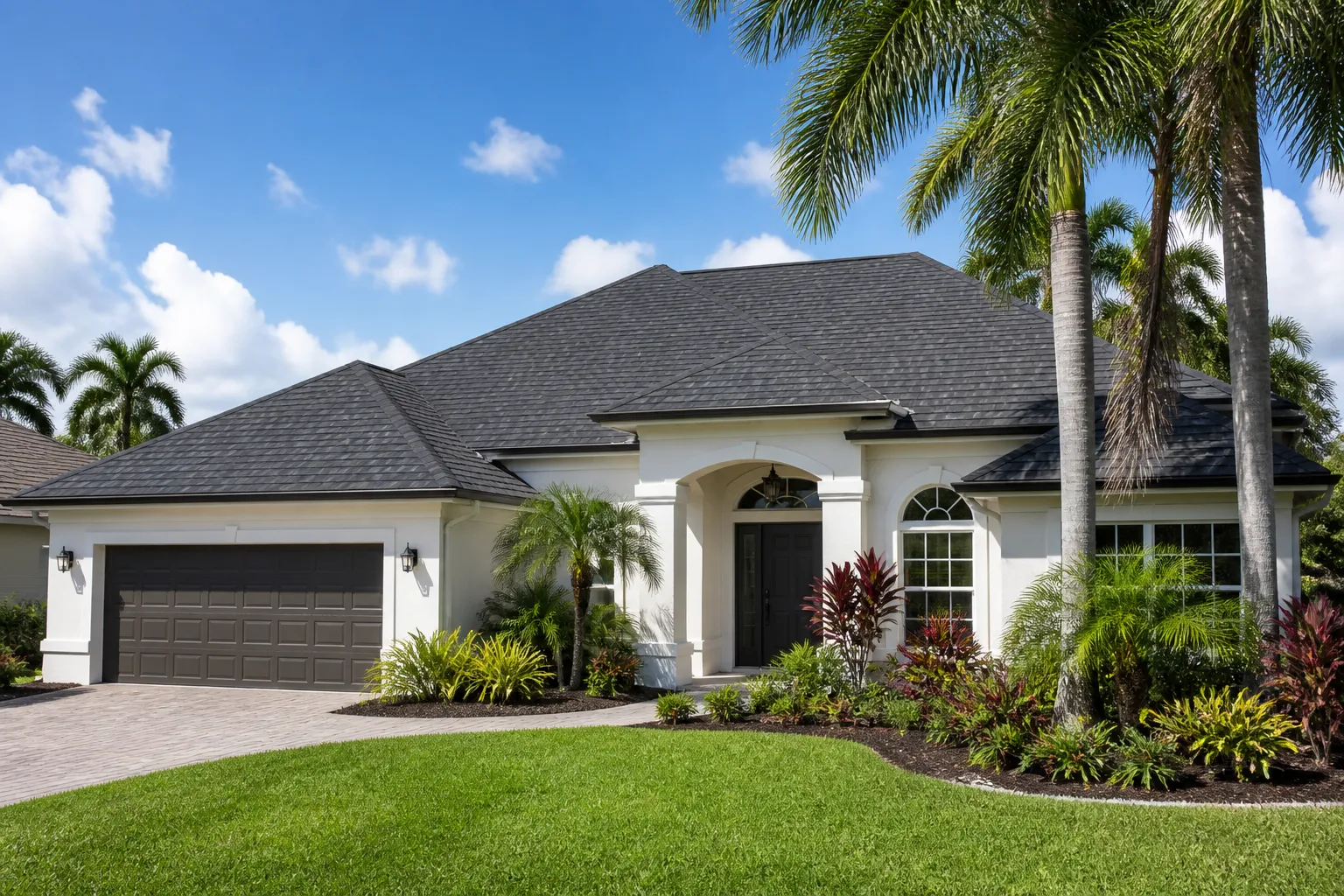
The Florida High-Velocity Hurricane Zone, commonly called the HVHZ, is a region with building requirements intended to address severe wind exposure. For homeowners, the practical takeaway is that roofing work in this environment needs careful attention to approved products, attachment methods, underlayment, flashing, and roof-edge details.
HVHZ requirements are technical and can change, so homeowners should not try to interpret a roof’s compliance by looking at a few visible components. A qualified roofing professional can evaluate the roof type, proposed materials, and applicable local requirements for the project.
What the HVHZ is
The HVHZ is associated with the parts of Florida that face particularly significant hurricane wind risk. Building rules for this area are intended to improve resistance to wind pressures and wind-driven rain. Roofing is a major focus because the roof is a large exterior surface and the edges, corners, and openings can be especially vulnerable.
Requirements can influence the product selected, the way it is attached, the deck connection, underlayment, and many smaller details that are not obvious once the roof is complete. Permit and code questions should be addressed for the specific property and scope of work.
Why the roof is so important
When wind gets beneath roof material, uplift forces can increase quickly. A loose shingle, tile, panel, edge piece, or ridge detail may expose layers below it. Wind-driven rain can enter at gaps around vents, walls, chimneys, skylights, and roof edges. A well-planned roof system manages both attachment and water shedding.
The outer roof covering is only one layer. A sound deck, compatible underlayment, proper flashing, and secure perimeter details are all part of the protection strategy.
How HVHZ considerations affect a replacement
- Material selection: Roofing products need to be appropriate for the roof type and project requirements.
- Attachment: Fastener type, spacing, placement, or adhesive methods can be specified by the selected system.
- Deck review: The substrate must be sound before it is covered by new materials.
- Underlayment: This secondary layer helps limit water entry beneath the primary roof surface.
- Edges and flashing: Rakes, eaves, valleys, vents, and wall connections need coordinated details.
Roof design affects the work
A simple roof plane and a complex roof do not have the same number of transitions. Valleys collect water. Dormers and walls introduce flashing. Skylights and plumbing vents create penetrations. Each feature requires compatible materials and correct sequencing so water moves outward and downward, not behind the roof layers.
It is important to evaluate the actual home rather than relying on a generic roof diagram. Drainage, slope, existing construction, and access all affect project planning.
What homeowners should ask
When discussing a roof replacement or significant repair, ask what roof system is proposed and how the scope addresses underlayment, deck conditions, flashing, and roof edges. Ask how the contractor will handle discovered deterioration beneath old materials. Request a clear written description of the work so you understand what is included.
A complete answer should be specific to your roof. Be wary of broad statements that focus only on the visible shingle, tile, or panel while skipping the supporting layers and transition details.
Maintaining a roof in a high-wind region
Homeowners can support roof performance by keeping drainage paths clear, trimming branches away from the roof, and watching for changes after storms. From the ground, check for missing material, loose trim, sagging gutters, displaced flashing, and new water stains inside. Do not walk on the roof to inspect it.
Coral Springs Elite Roofing can help evaluate visible roof conditions and explain the practical considerations for repair or replacement. A project planned around the full roof assembly is better equipped to address the demands of South Florida weather.