When a roof starts leaking, the damage can spread fast. You may notice water stains on the ceiling, drips near vents, wet insulation, or shingles scattered after a storm. If that sounds familiar, it is time to get the roof checked before a small problem turns into a larger repair.
Coral Springs Elite Roofing handles urgent roof repairs for properties across Coral Springs. We look for the source of the leak, assess the surrounding damage, and recommend the next step based on what the roof actually needs. If water is entering your home or business, call +19543242843 and we will help you move forward with a clear plan.
A roof problem does not always start with a visible hole. Often, the first clues show up inside your property or at the edges of the roofline. Catching those signs early can limit the amount of water that reaches decking, insulation, and interior finishes.
If you notice any of these conditions, avoid waiting to see whether they worsen on their own. A roof leak often follows the path of least resistance, which means the visible stain may be far from the actual opening.
Coral Springs Elite Roofing begins with a close look at the affected area and the roof sections around it. Water can travel along framing, under underlayment, and across attic spaces before it appears inside, so a careful inspection matters.
This approach helps avoid short-term patches that miss the actual cause. It also gives you a better sense of whether the roof needs a small repair, a broader restoration, or a replacement plan.
Different roof systems call for different repair methods. The right fix depends on the material, the age of the roof, and the type of damage found during inspection. We work with a range of roofing styles common to Coral Springs properties.
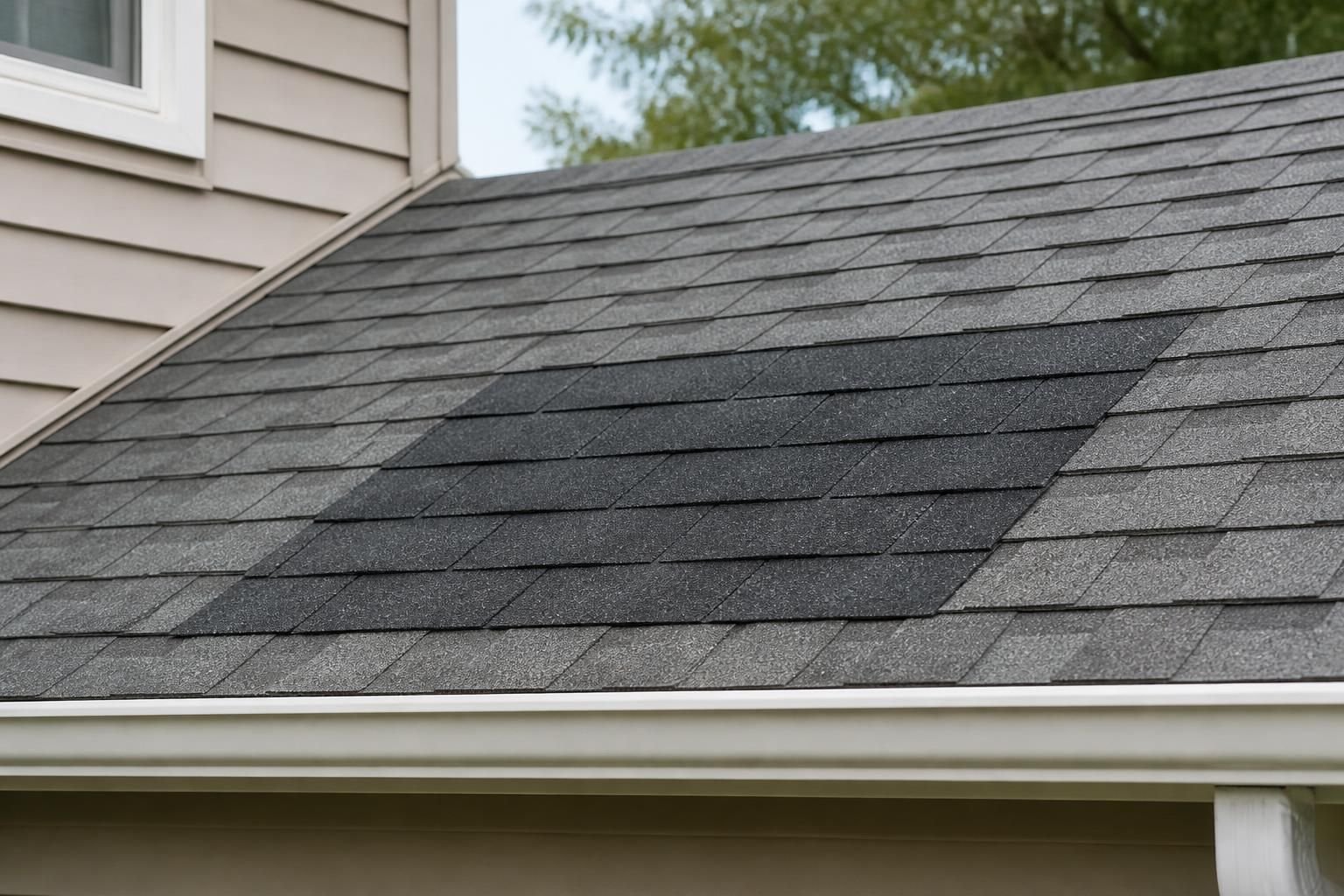
For shingle roofing, urgent repairs may involve replacing damaged shingles, sealing exposed areas, or addressing loosened flashing around roof features. Even a few missing pieces can leave the underlayment open to water entry.
Tile roofing often needs targeted replacement where tiles have cracked, shifted, or been lifted. We also check the layers beneath the tile surface, since hidden damage can develop after impact or wind-driven rain.
Flat roofing can collect water at weak points, seams, and penetrations. Repairs often focus on sealing problem areas, restoring compromised sections, and reducing the chance of repeat leaks around edges or transitions.
Metal roofing repairs may involve fastening loose panels, sealing seams, or correcting areas where water has found an opening around joints or penetrations. A small separation can lead to a larger leak if it is ignored.
Strong weather can leave a roof with more than one problem at once. A branch impact, lifted shingles, broken tiles, or torn flashing can all create points where water enters. After a storm, the roof may look intact from the ground while the damage sits higher up or under overlapping materials.
Our storm damage repair process focuses on the visible damage and the hidden weak spots that often follow. We pay close attention to ridges, roof edges, penetrations, and sections that may have shifted under pressure. The goal is to stop water entry and help you understand whether the roof can be repaired or needs broader attention.
If water is already coming through, small actions can help reduce further harm while you wait for service. Keep the area safe, and avoid climbing onto the roof yourself. Slippery surfaces, loose materials, and hidden soft spots can make the situation worse.
Once the immediate area is controlled, schedule a roof inspection so the underlying cause can be addressed. A temporary dry interior does not mean the leak has stopped.
Roof damage often grows through repeated wetting and drying. A small opening can let water enter during one storm, then widen after sun exposure, wind movement, or another round of rain. The longer the opening remains, the more likely you are to face secondary damage inside the building.
Prompt roof repair can help protect ceilings, walls, insulation, and structural materials from ongoing moisture exposure. It can also limit the number of roofing sections that need attention later. In many cases, fixing the source early is more straightforward than waiting for visible interior damage to spread.
We keep the process clear from the first call through completion. You should know what is being repaired, why that repair is needed, and what the roof may need next if the damage is more extensive than it first appeared.
Coral Springs Elite Roofing uses this straightforward process to keep urgent roof work manageable for property owners who do not want guesswork during a stressful situation.
Roof damage does not wait for a convenient time, and many property owners need a clear answer quickly. We serve Coral Springs and nearby Broward County communities, including Parkland, Coconut Creek, Margate, Tamarac, North Lauderdale, Lauderhill, Sunrise, Pompano Beach, Deerfield Beach, Plantation, Weston, and Davie.
If your property sits anywhere across this area and your roof is showing signs of active leaks or recent damage, a prompt inspection can help narrow down the problem before more water enters the building.
Interior stains, dripping near ceilings, damp insulation, and water around roof penetrations often point to a roof opening, but the source may sit several feet away from the visible spot.
A small leak can spread quickly once water keeps entering the same area. Even minor seepage may affect wood, drywall, and insulation if it stays active.
We work with shingle roofing, tile roofing, flat roofing, and metal roofing. The repair method depends on the material and the type of damage found.
Not always. Some roofs need a targeted repair, while others show signs that a larger roof replacement or roof restoration may be the better long-term choice.
If it is safe and accessible, the attic can reveal damp insulation, water trails, or darkened wood. Just avoid walking on unstable surfaces or touching wet electrical fixtures.
Yes, especially if you notice missing materials, debris, or new stains indoors. A roof inspection can confirm whether the storm caused hidden damage that needs attention.
Coral Springs Elite Roofing is ready to help if your roof has started leaking or shows clear signs of damage. For urgent roof repair across Coral Springs, call +19543242843 or visit us at 3301 N University Dr Ste 100, Coral Springs, FL 33065.
Next Step
If you are seeing a leak, storm damage, aging materials, or simply want a professional opinion before planning work, request a free roofing estimate. We will help you understand the condition of your roof and the next practical step.