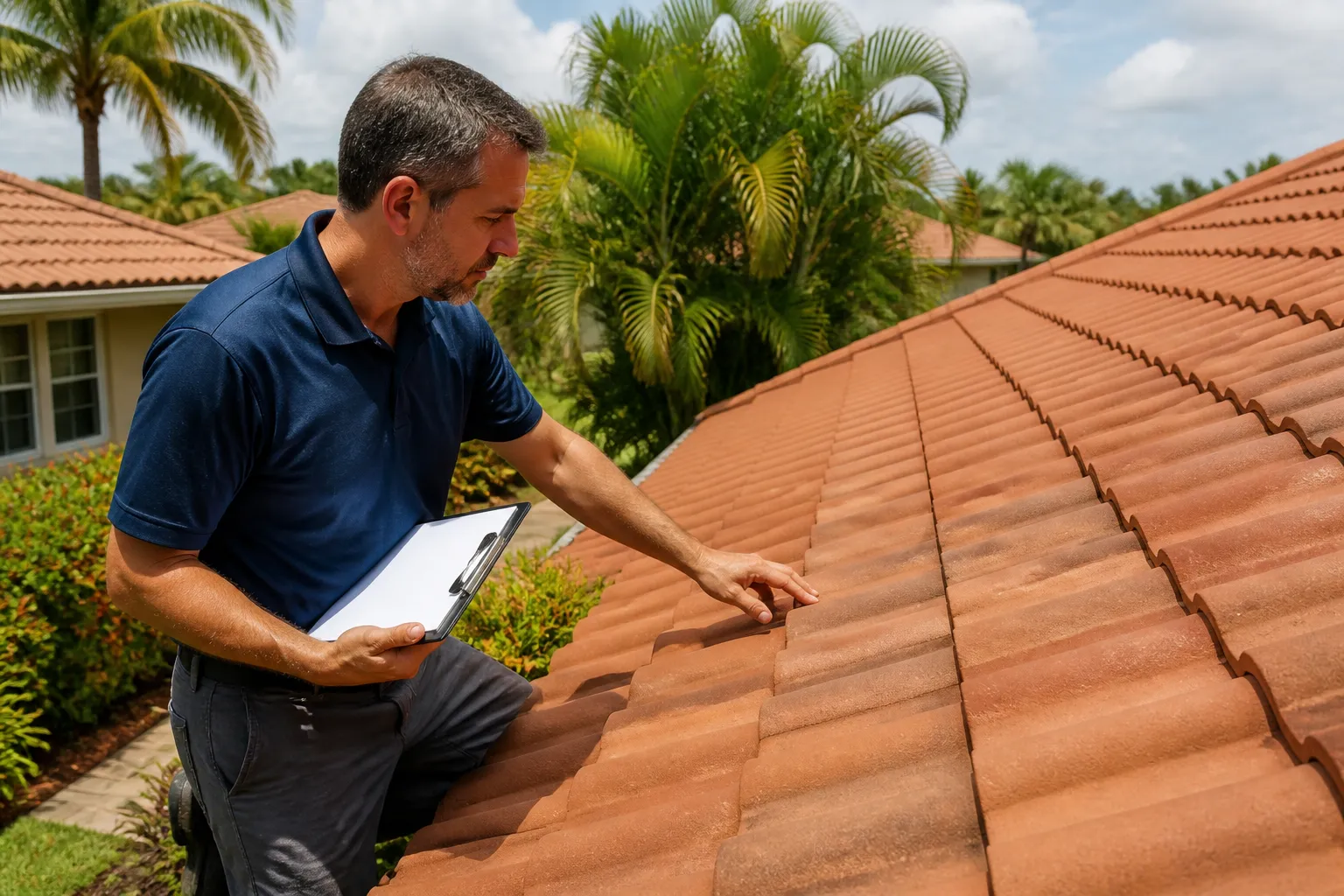
Roof maintenance gives Coral Springs homeowners a practical way to look for developing concerns before repeated sun, rain, wind, and debris turn them into a larger repair. It does not stop a roof from aging, and it is not a substitute for repair when damage is present. It does help identify visible changes early.
Coral Springs Elite Roofing performs maintenance-focused roof evaluations that consider the roof covering, drainage, flashing, penetrations, edges, and related components. We explain what is visible and distinguish routine monitoring from conditions that need attention.
Heavy rainfall can test valleys and drainage paths, while intense sunlight and humidity affect exposed roofing materials. Wind can lift roof edges, displace tile, and loosen accessories. A small change is easier to understand when it is evaluated before water reaches the deck or interior finishes.
Maintenance is particularly useful for a roof with prior repairs, mature trees nearby, complex valleys, or low-slope areas that need clear drainage.
We inspect accessible roof areas and note the condition of materials and drainage paths.
Valleys, edges, vents, flashings, and transitions receive focused attention.
We consider gutter condition, debris, and visible moisture clues.
We identify what can be monitored and what merits repair.
When work is needed, the recommended scope is tied to the observed condition.
Tiles, hips, ridges, valleys, and visible flashing can be checked for displacement, cracks, and debris.
Condition checks can reveal lifted edges, granule loss, exposed fasteners, and flashing wear.
Drains, seams, penetrations, and areas where water remains after rain need regular attention.
Observe the roof from the ground after significant weather. Watch for fallen material, overflowing gutters, branches touching the roof, and new interior stains. Do not walk on roofing materials to investigate, as it can be unsafe and may create additional damage.
Schedule a review if you see a change, particularly after wind-driven rain. Documenting the location and timing of a stain or leak can help trace the likely water pattern.
Periodic checks and a review after visible storm changes are practical for many homes. The right timing can also depend on the roof’s age, material, nearby trees, and history of repairs.
No, maintenance cannot stop normal roof aging or eliminate weather exposure. It can identify developing wear, drainage concerns, and loose materials before they lead to a broader repair.
Ground-level observation and a professional visit are safer options for most homeowners. Walking on roofing can be unsafe and may damage shingles, tiles, or other materials.
The visit identifies repair needs and helps clarify the appropriate scope of work. If an issue is found, the recommended repair can be discussed based on the visible condition.
Yes, a condition check can establish a useful baseline for a newer roof. It can also catch debris, storm-related changes, or drainage issues before they become harder to notice.
Look for visible changes from the ground, including loose material, displaced trim, or new stains indoors. Arrange an evaluation if something appears different or water has entered the property.
Next Step
If you are seeing a leak, storm damage, aging materials, or simply want a professional opinion before planning work, request a free roofing estimate. We will help you understand the condition of your roof and the next practical step.