Roofing Systems We Work With
The right roof is a practical choice, not a one-size-fits-all answer. We look at the home or building, roof slope, exposure, drainage, appearance goals, existing assembly, budget, and long-term maintenance before discussing options.
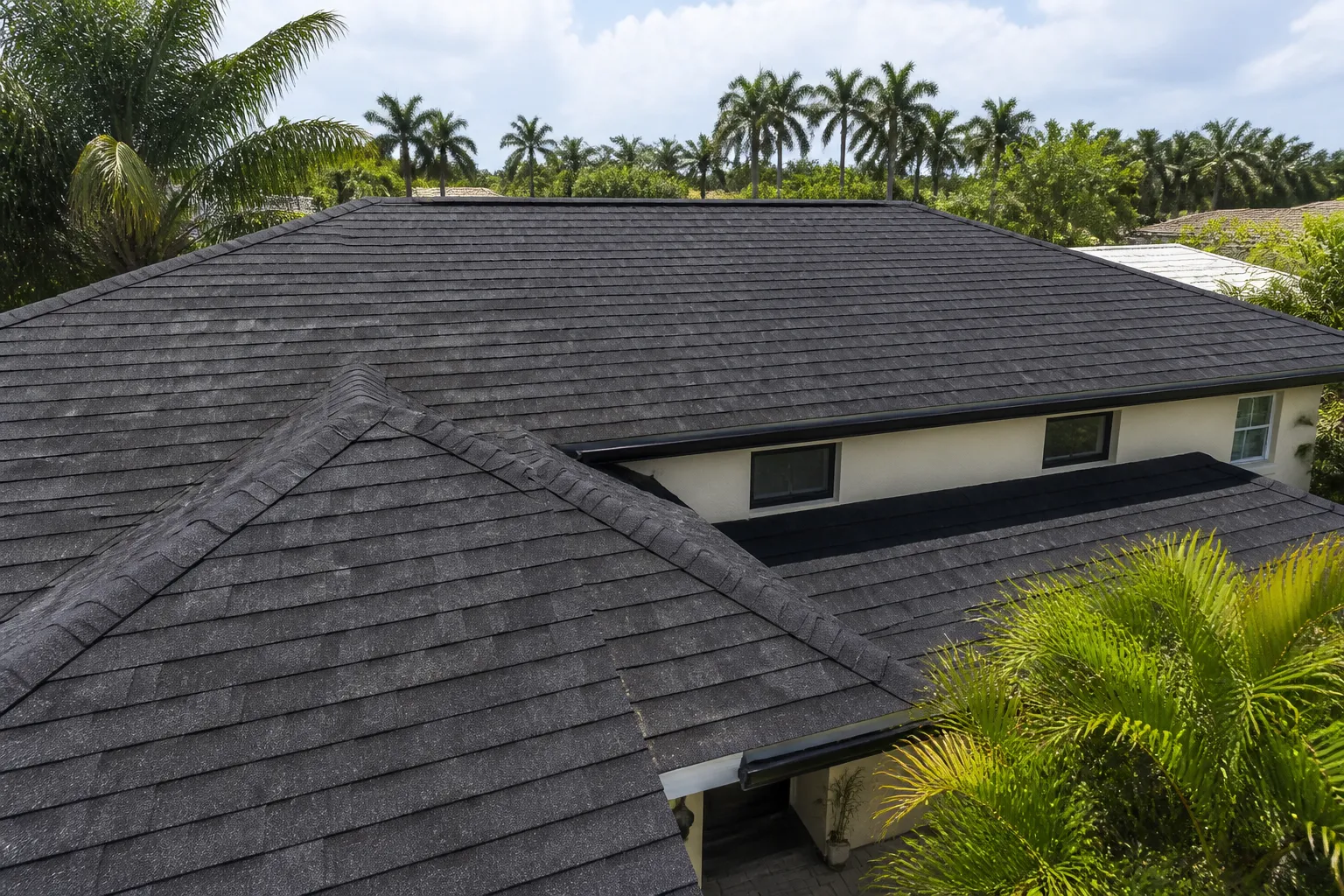
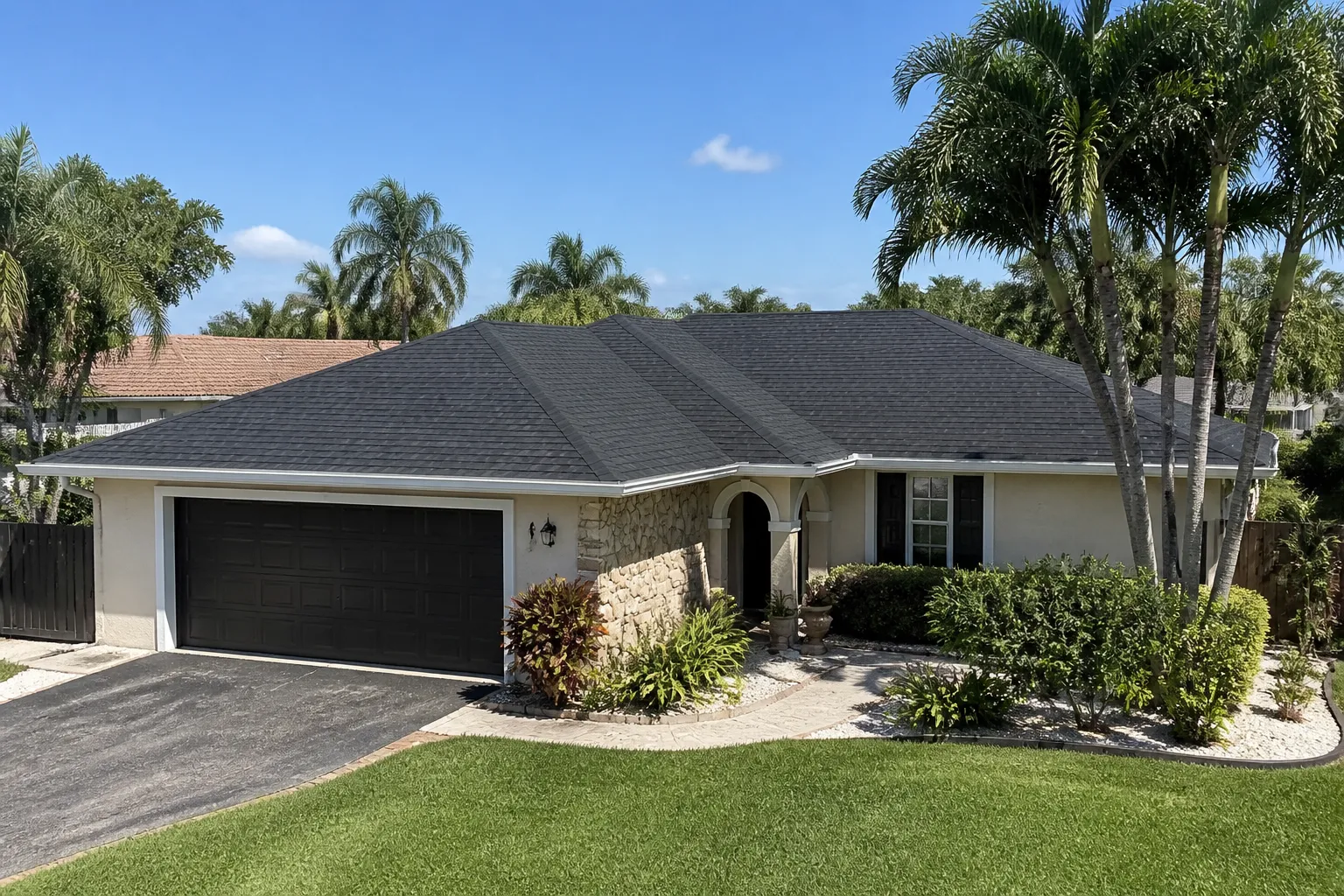
Asphalt Shingle Roofing
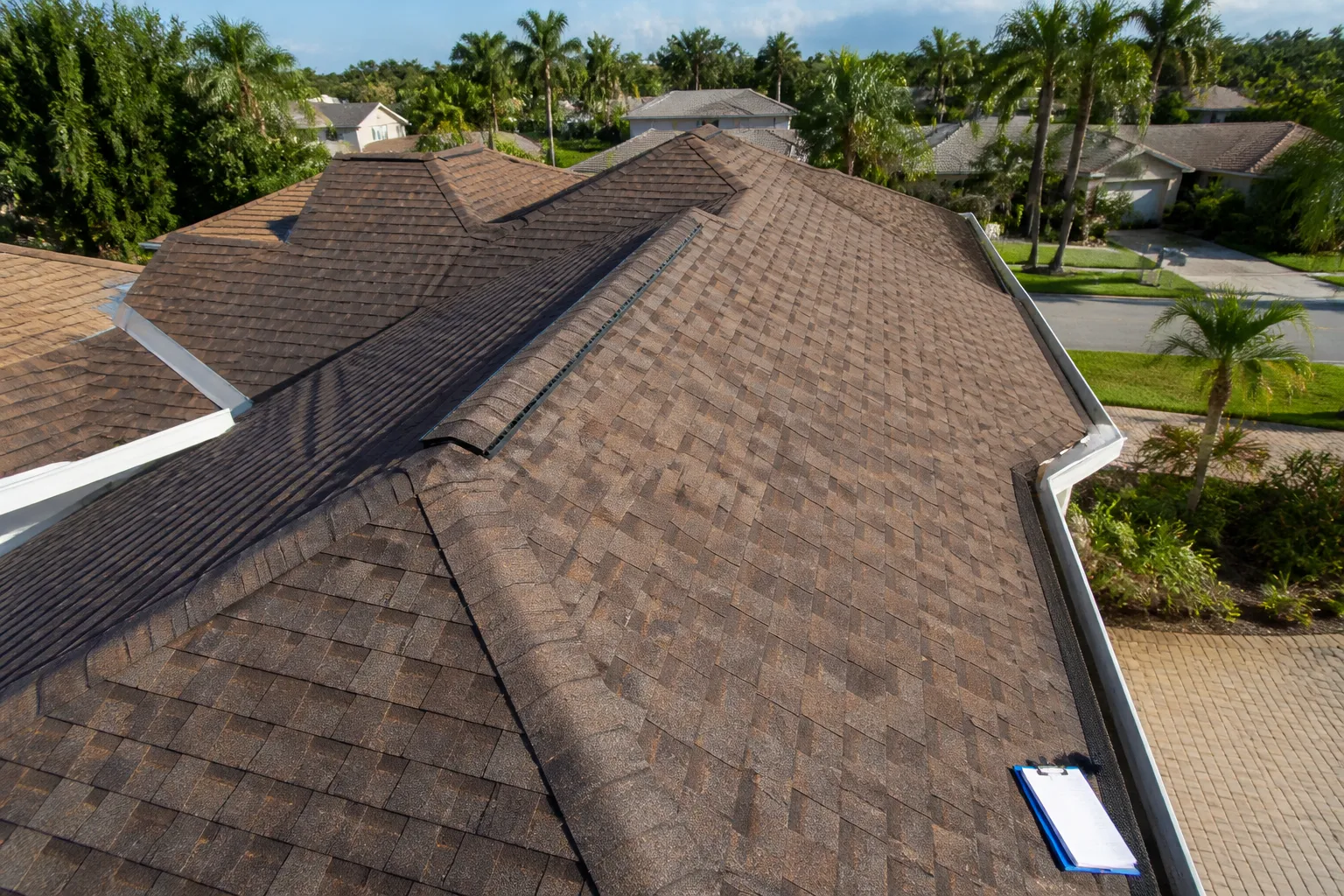
Asphalt shingles offer a familiar look and a broad range of colors at a generally lower material cost than tile or metal. Their performance depends on the full assembly, including deck condition, underlayment, flashing, ventilation, and installation. They can be a sensible fit for many sloped roofs when the selected system is appropriate for the property.
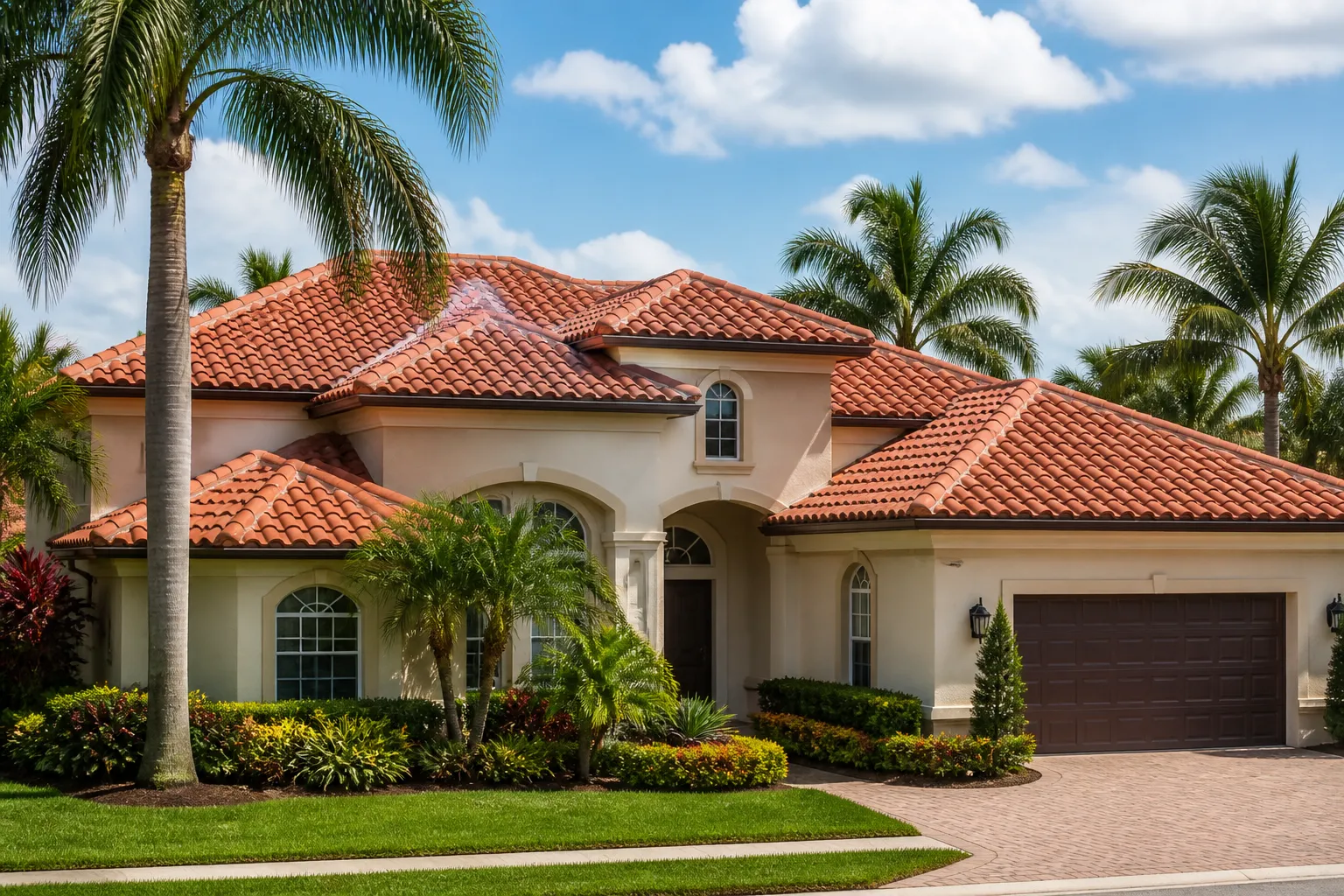
Tile Roofing
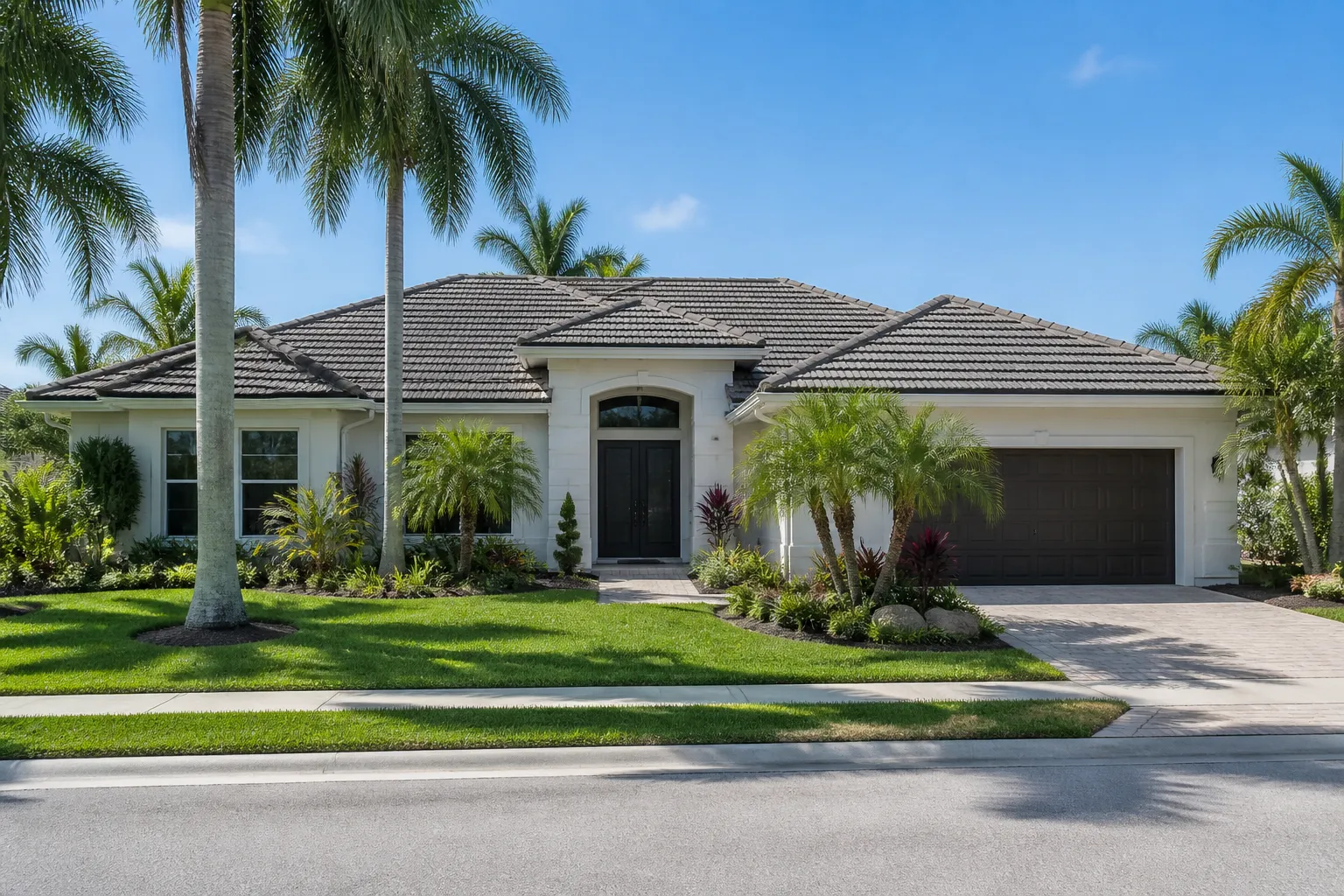
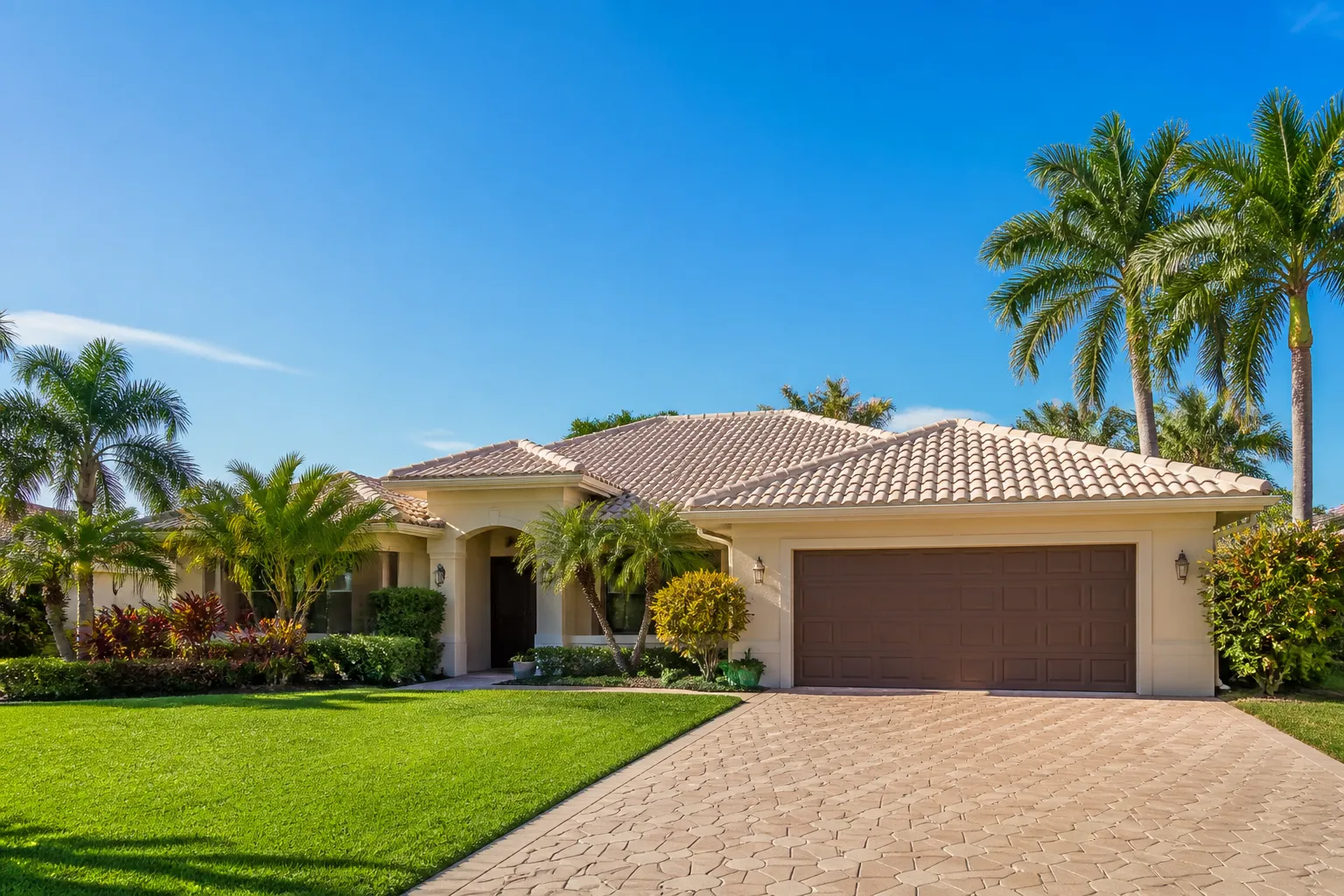
Tile brings a distinctive South Florida appearance and can be durable, but a tile roof is more than the visible tile. Underlayment, attachment method, roof geometry, flashing, and the condition of the supporting assembly all matter. Cracked or displaced tiles may be repairable, while underlayment deterioration beneath an older tile system can call for a broader evaluation. Weight, installation requirements, lifespan, and cost should be considered together.
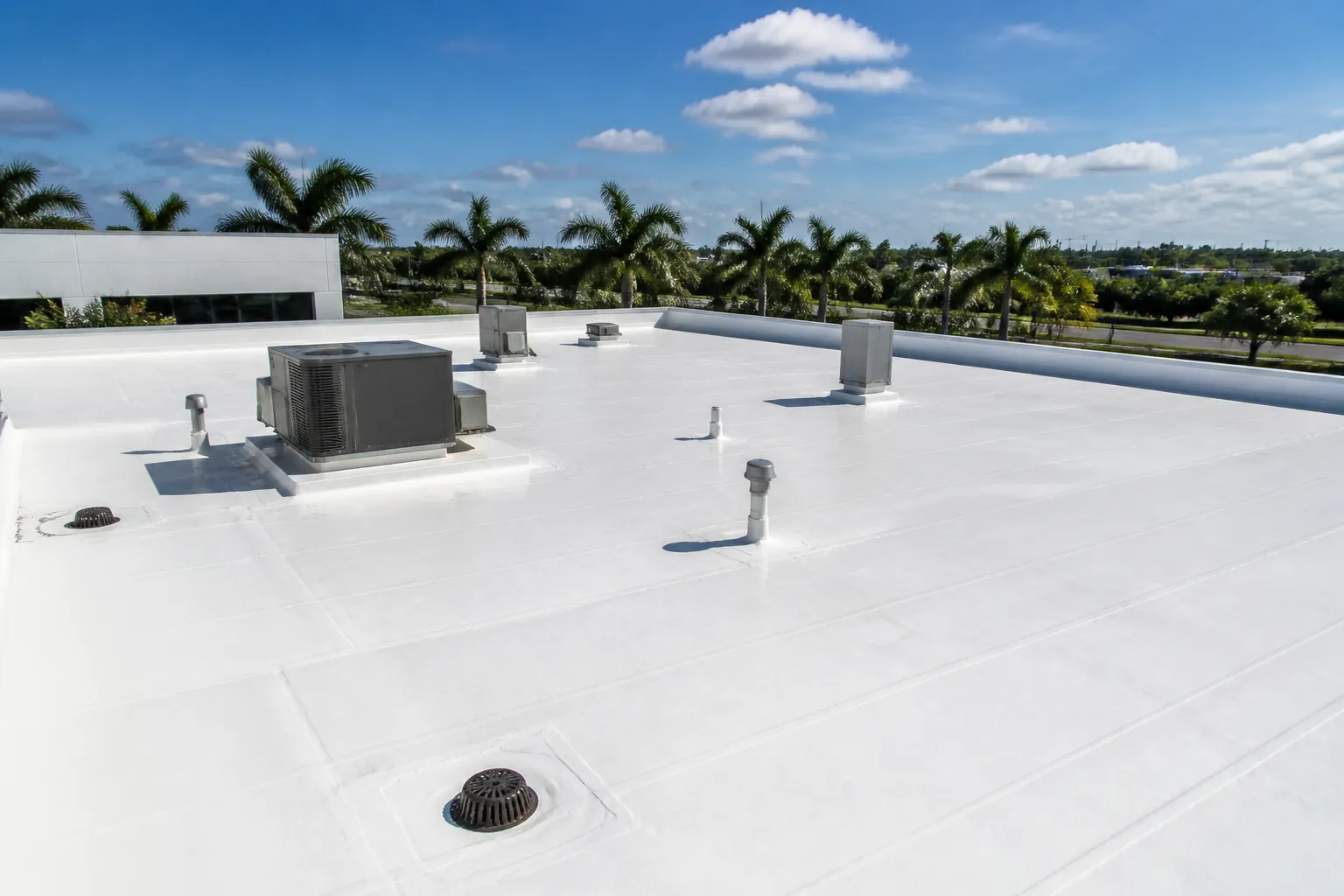
Flat Roofing
Low-slope and flat roofing systems need particular attention to drainage, seams, penetrations, and ponding water. Standing water does not automatically mean failure, but it should be evaluated because it can accelerate wear and expose weaknesses around drains, scuppers, vents, and flashing. Material selection and careful installation are central to a reliable result.
Metal Roofing
Metal roofing can offer long service life and a clean architectural look. Panel profile, fastening, transitions, penetrations, and compatible flashing details are just as important as the metal itself. It may be a strong option for some homes and commercial properties, though cost, noise expectations, roof shape, and the existing structure should all be weighed.
Hurricane-Resistant Roofing for Coral Springs Homes
South Florida roofs are built and evaluated differently from roofs in milder regions because high winds, wind-driven rain, tropical storms, and hurricane exposure are part of the local picture. Quality work means thinking beyond the outer covering. The roof deck, deck attachment, underlayment, secondary water resistance, flashing, edges, valleys, and penetrations must work as an assembly.
Coral Springs is within the High Velocity Hurricane Zone. The city’s current roofing permit materials reference the 2023 Florida Building Code, 8th Edition, HVHZ requirements, roof application standards, and product approvals. A Miami-Dade Notice of Acceptance, commonly called an NOA, is documentation for certain approved products and assemblies. It is not a blanket promise that any product or installation is suitable for every roof. The correct system and installation details have to match the project.
During an inspection, we pay attention to conditions that affect water resistance and wind performance, including damaged flashing, exposed fasteners, roof deck concerns, and the condition of underlayment. Roof-to-wall connections can also be relevant to a home’s broader wind-mitigation picture. The goal is not to bury a homeowner in code language. It is to make sure important details are not overlooked and required inspections can be completed properly.
Roof Repair or Roof Replacement?
A leak or visible damage does not automatically mean replacement, and an older roof does not automatically mean it can be repaired. The decision starts with an inspection of the whole roof, not just the spot where water showed up inside.
We consider the roof’s age, the extent and location of damage, recurring leaks, missing shingles, cracked or displaced tiles, flashing failures, prior repairs, storm impact, and signs of moisture intrusion. We also look at the underlayment and, where accessible or indicated, the roof deck. Localized defects can often be addressed with a repair. Widespread deterioration, repeated failures in different areas, compromised underlayment, or deck issues may make replacement the more durable path.
A professional roof inspection is the best way to separate a visible symptom from the condition causing it. You should leave with an explanation of what we found and why a particular recommendation makes sense.
Storm & Hurricane Damage Roofing in Coral Springs
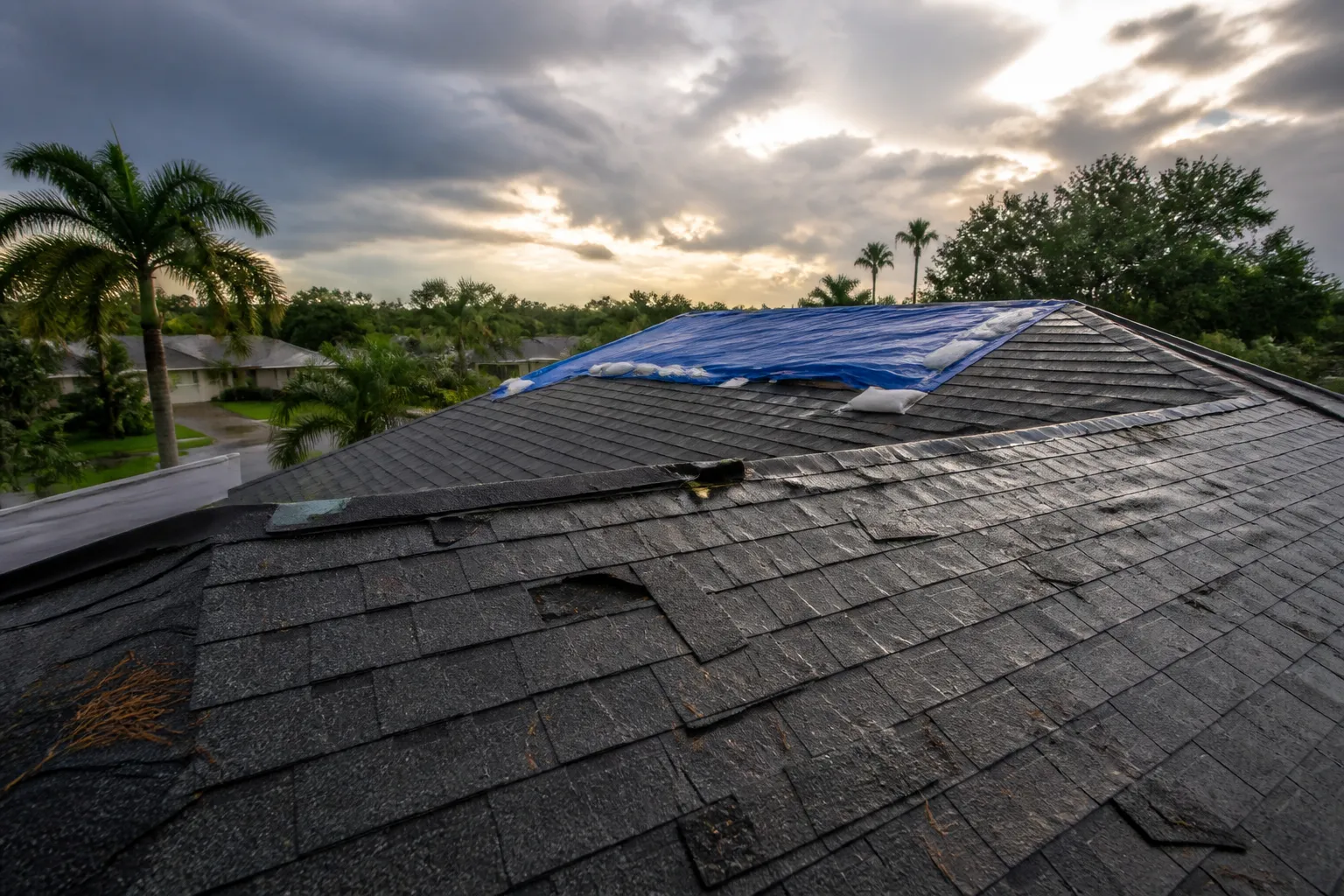
After a significant storm, the damage is not always obvious from the driveway. Wind can lift or loosen shingles without fully removing them. Tile can crack or shift. Flashing, vents, sealants, and roof edges may be affected, and branches can damage the surface or a penetration. Hail damage, missing shingles, lifted shingles, damaged vents, and water intrusion each call for a closer look.
Prompt inspection after a major storm can identify roof leaks and vulnerable areas before the next rain. Documentation of visible conditions can be useful when an owner needs to discuss a loss with an insurer, and we can coordinate information where applicable. Coverage decisions belong to the insurance carrier, and neither an inspection nor a repair recommendation guarantees approval. Not every storm-damaged roof needs replacement, but every suspected opening deserves attention.
Roof Permits & HOA Requirements in Coral Springs
Roof replacement and substantial roof repairs can involve City of Coral Springs permit requirements, project documentation, product approvals, and inspections. The specific paperwork and details depend on the system and scope. The city also advises homeowners to check with their HOA before roof repair or replacement.
HOA communities may have their own approval process, material or color guidelines, and submittal requirements. Those rules are not identical from one community to another. We can help coordinate the roofing information needed for a project, while homeowners should confirm current HOA requirements and city requirements directly with the appropriate office before work begins.
Our Roofing Process
Roof Inspection → Damage Assessment → Recommendations → Material Selection → HOA/Permit Coordination Where Required → Roofing Work → Inspection → Cleanup → Final Walkthrough.
We begin by examining the roof and the concerns you have noticed. Then we assess the affected areas, explain the findings in plain language, and discuss repair or replacement options. Once the material and scope are selected, we coordinate HOA or permit steps where required, complete the roofing work, address inspections, clean up the work area, and walk the completed project with you.
For storm damage, the sequence is: Inspection → Damage Documentation → Repair/Replacement Recommendation → Insurance Coordination Where Applicable → Permit/HOA Process → Roofing Work → Final Inspection. Each roof and each storm event is different, so we do not promise a schedule before the work and requirements are understood.
Roofing Designed for Coral Springs Homes
Coral Springs and the surrounding Broward County area include established neighborhoods, planned communities, HOA communities, tile-roofed homes, shingle roofs, and properties with low-slope sections. Mature landscaping can shade roof areas and hold moisture, while heavy rain makes drainage, gutters, roof valleys, and transition details especially important.
Heat and humidity can accelerate aging, algae can affect appearance, and tropical weather tests small details that may not matter as much elsewhere. Good attic ventilation, secure soffits and fascia, functioning gutters, sound flashing, and a properly maintained roof covering all contribute to a healthier roofing system. We tailor the evaluation to the structure in front of us instead of assuming every local home has the same issue.
Roof Maintenance & Problems to Watch For
Call a roofing professional when you see cracked tiles, missing or damaged shingles, loose materials, granules collecting in gutters, ceiling stains, water around vents, damaged flashing, deteriorated sealants, sagging areas, algae growth, clogged gutters, damaged soffits or fascia, excessive attic moisture, or recurring leaks. These signs do not all carry the same urgency, but they are worth investigating before Florida rain exposes the underlying cause.
Routine observation is useful. After storms, look from the ground for branches, displaced material, blocked drainage, or changes around roof edges. Avoid walking a roof to investigate it. A safe professional inspection can trace a leak path, check vulnerable details, and help prioritize maintenance, roof waterproofing, roof coating, roof ventilation, or roof deck repair where those services fit the condition.
Why Choose Our Roofing Company in Coral Springs?
Coral Springs Elite Roofing serves local homeowners and commercial property owners with careful inspections, clear communication, and recommendations tied to the condition of the roof. Our experience spans residential roofing, commercial roofing, storm damage, repairs, and replacement planning across the systems commonly seen in South Florida.
- Local perspective on Broward County weather, permits, and HOA considerations
- Professional roof inspections that look beyond the obvious symptom
- Attention to underlayment, flashing, drainage, ventilation, and other system details
- Quality materials selected for the specific scope of work
- Clear explanations for repair, restoration, maintenance, and replacement options