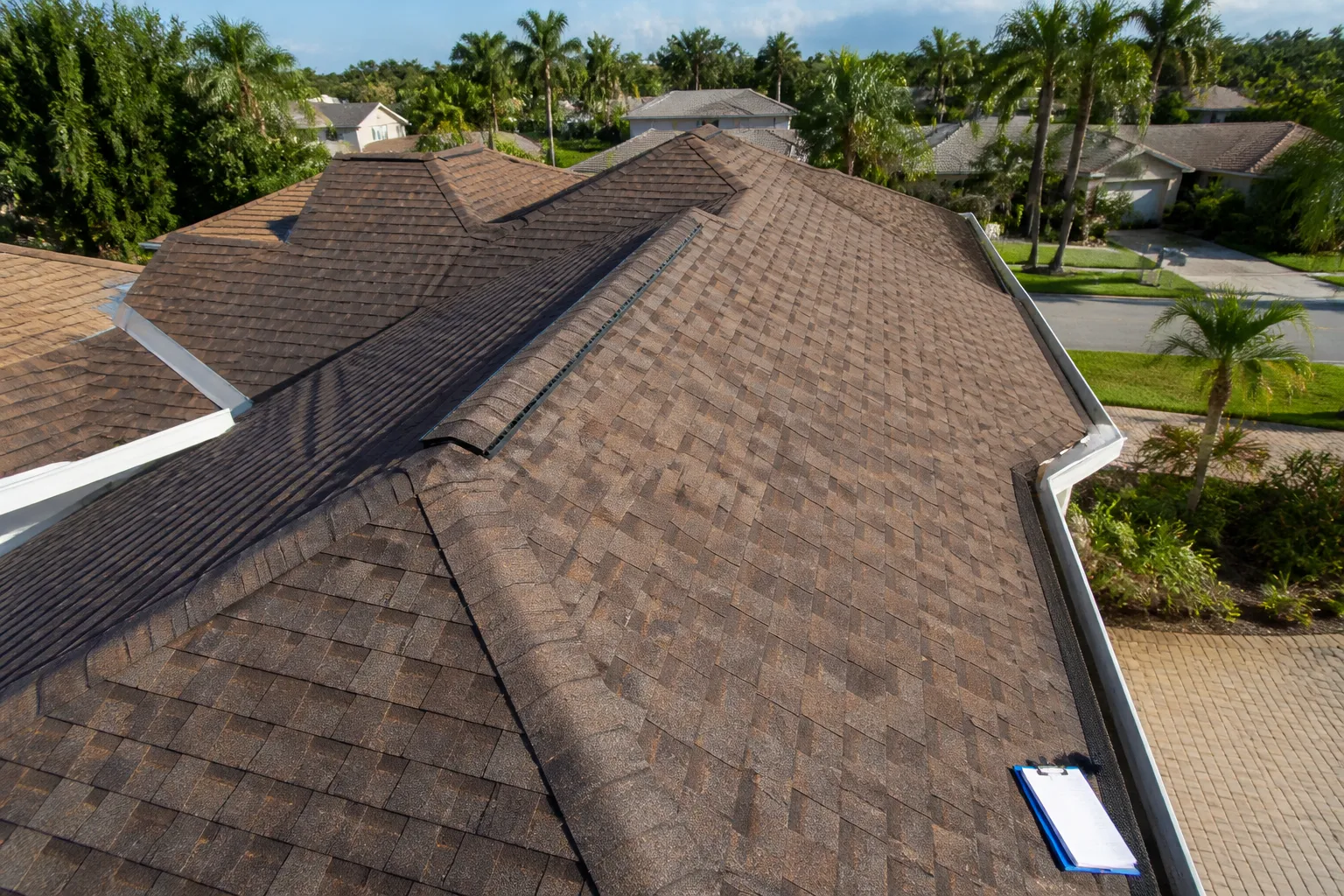
If you have noticed a ceiling stain, loose shingles, or a roof that just looks uneven from the curb, a roof inspection is the next smart step. Small signs in Coral Springs homes and businesses can point to trouble that is easy to miss from the ground but expensive to ignore later.
Coral Springs Elite Roofing provides roof inspections for property owners who want clear answers before a repair turns into a larger project. We check the roof surface, flashing, drainage points, and visible problem areas so you can understand what is happening and what should happen next.
A useful roof inspection should do more than glance at shingles. It should identify wear, movement, and damage that may affect how your roof sheds water and holds up over time. When we inspect a roof, we focus on the areas that most often reveal trouble first.
Coral Springs Elite Roofing looks at the roof as a complete system, not just the most obvious spot that caught your attention.
Some roof concerns are easy to overlook until a storm or heavy rain makes them harder to ignore. If you notice any of the signs below, an inspection can help you determine whether the roof needs a repair, replacement, or a more limited fix.
If you are uncertain whether what you see is serious, we can inspect it and give you a straightforward explanation.
Homeowners and business owners often want to know what happens during a roof inspection and how it helps. Our process is designed to be direct and practical, so you are not left guessing about your roof’s condition.
We begin by learning what you have noticed, whether that is a leak, a shift in the roof surface, or a recent weather event that raised concern. This helps guide the inspection toward the areas most likely to need attention.
Next, we examine the roof surface and visible components for wear, damage, and signs of moisture intrusion. We also pay close attention to areas where roofing materials meet walls, vents, edges, or other transition points.
After the inspection, we explain what we found and what it means for your property. If the roof needs a repair, a replacement, or a closer look at a specific area, we outline the next step without unnecessary jargon.
Different roofing materials show damage in different ways. A good inspection should account for the roof type so the condition assessment makes sense for the system on your property.
Shingle roofs can show curling, granule loss, lifting, and missing sections. These signs may indicate age, weather wear, or active trouble at a seam or edge.
Tile roofs often need a close look for cracked, slipped, or broken tiles. Since the surface can hide problems below, inspection matters when you want a clearer picture of the roof’s overall condition.
Flat roofing calls for attention to surface wear, standing water signs, and vulnerable seams. Even small weaknesses can create leaks if they are not caught early.
Coral Springs Elite Roofing inspects these roof types with the goal of identifying the source of concern, not just the visible symptom.
South Florida weather can leave a roof looking fine from the street while damage remains hidden on the surface or at the edges. A storm-related inspection helps identify whether wind, rain, or debris affected the roof structure or outer materials.
We commonly look for signs such as lifted shingles, displaced tiles, disturbed flashing, and staining that may indicate water found a path inside. If the roof was already aging, a storm can expose weak points that were not noticeable before.
For property owners who want peace of mind after rough weather, an inspection can help separate minor wear from damage that needs prompt attention.
Roof inspections are useful for homeowners and business owners alike. Each property type has different concerns, but both depend on a roof that can stand up to weather and protect what is inside.
Residential inspections often focus on leak clues, aging materials, and wear around vents, valleys, and edges. Commercial roof inspections may place more attention on flat surfaces, seams, drainage points, and other areas where water can collect or seep through.
Whether you manage a home or a commercial property, a detailed inspection gives you the information needed to plan your next move with confidence.
Choosing a roofing company that works regularly around Coral Springs matters because local roof problems are not all the same. Coral Springs Elite Roofing serves Coral Springs and nearby Broward County communities with a customer-first approach that values clear communication and honest recommendations.
Our office is located at 3301 N University Dr Ste 100, Coral Springs, FL 33065, and we are available every day from 7:00 AM to 10:00 PM. When you call +19543242843, you can set up a roof inspection and get the process moving without unnecessary back-and-forth.
We keep the focus on what the roof needs, what can wait, and what should be addressed sooner rather than later.
We review the roof surface, visible weak points, and areas where leaks often start. Then we explain the condition and next step in plain language.
Yes. A leak often starts above the visible stain, so inspection helps identify the source and the surrounding damage.
They do. Shingle, tile, metal, and flat roofing each show wear differently, so the inspection approach changes with the roof type.
If your roof was exposed to strong wind or heavy rain, an inspection can reveal hidden damage before it spreads.
Not all roof problems are easy to spot from the ground. An inspection can catch concerns that are not obvious to a homeowner or property manager.
Yes. A roof inspection gives you a better sense of whether the issue is isolated or part of broader roof wear.
If your roof has a stain, a loose section, or a recent weather concern, now is a good time to have it looked at. A timely inspection can help you understand the condition of the roof and avoid making decisions based on guesswork.
Contact Coral Springs Elite Roofing to schedule your roof inspection and get clear, practical feedback about your roof in Coral Springs.

Next Step
If you are seeing a leak, storm damage, aging materials, or simply want a professional opinion before planning work, request a free roofing estimate. We will help you understand the condition of your roof and the next practical step.