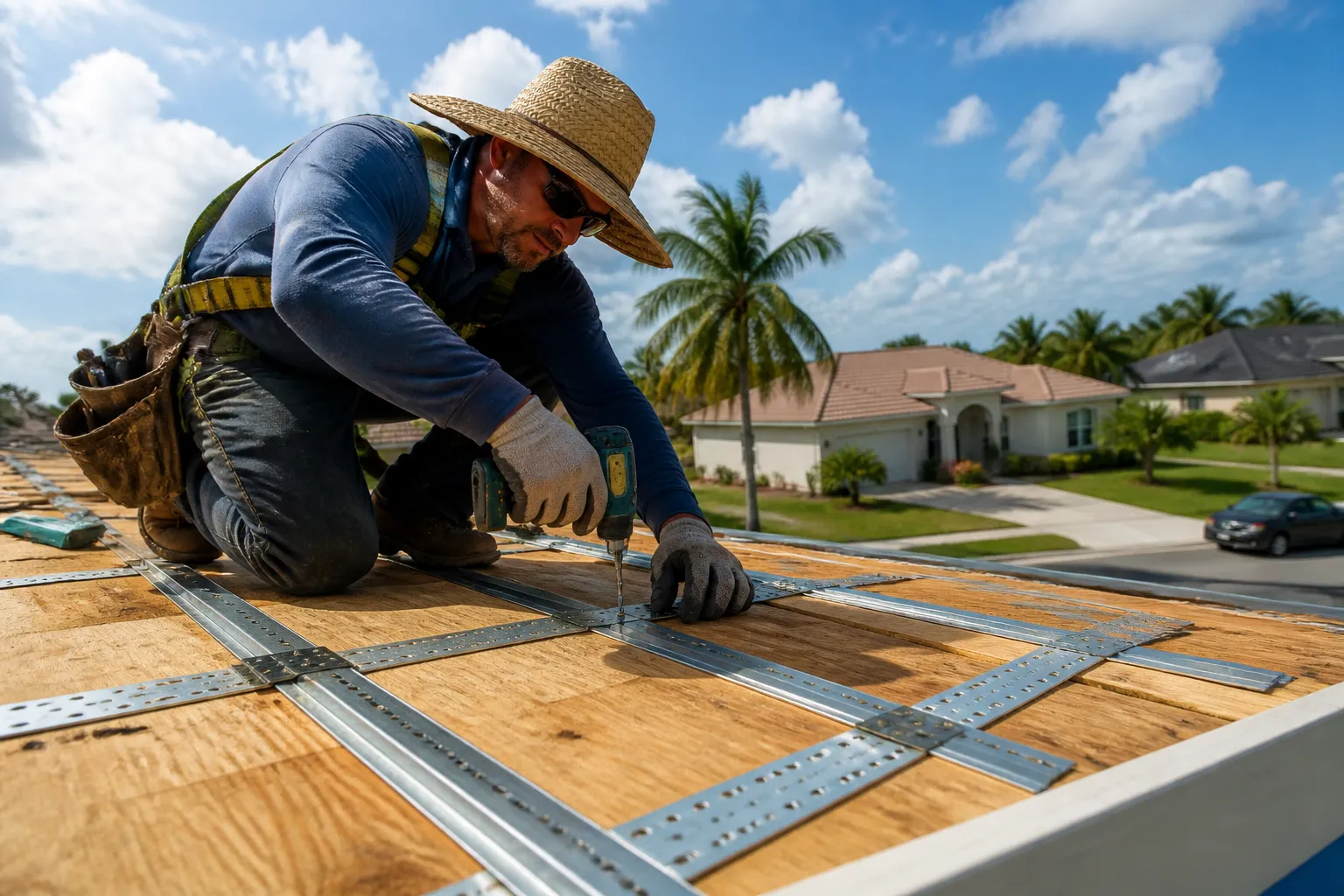
South Florida roofs face more than everyday rain and sun. High winds can lift roof edges, drive water beneath vulnerable transitions, and turn loose material into a larger problem. Hurricane-resistant roofing is not one single product. It is an approach that considers the whole roof assembly, from the deck connection to the final ridge and edge details.
Coral Springs Elite Roofing helps homeowners understand the practical steps involved in improving a roof’s wind resistance. Whether you are planning a replacement or concerned about a specific weak point, we inspect the roof, explain what is visible and accessible, and recommend a scope that fits the home’s actual conditions.
A roof designed with hurricane conditions in mind uses compatible materials and installation methods intended to resist uplift and limit water entry. Components may include properly attached decking, a suitable underlayment, correctly installed roof covering, strong edge metal, sealed openings, and flashing at every transition. Each layer matters because wind pressure does not affect every part of a roof equally.
Roof edges, corners, ridges, valleys, vents, and wall intersections deserve particular care. These locations can experience concentrated forces or collect wind-driven rain. A durable system focuses on continuity so that the parts work together instead of leaving a weak break between them.
A replacement is the most practical time to address concealed layers because the existing covering is removed. It allows the roof deck and underlayment to be evaluated before the new surface is installed.
Missing material, lifted edges, loose ridge pieces, or damaged flashing should be evaluated promptly. Even a small opening can let water travel under the roof surface.
Older roofs can develop weakened seals, brittle materials, and deteriorated fasteners. A review can help separate a localized repair from conditions that suggest planning for replacement.
We ask about leaks, prior repairs, storm exposure, and the owner’s concerns.
We look at accessible areas, roof edges, transitions, drainage, and the current covering.
We explain which observed items relate to water shedding, attachment, or aging materials.
Rather than treating one part in isolation, we outline the related components that should be considered together.
We walk through the visible details and provide practical guidance for future observation.
Shingle, tile, metal, and low-slope systems can all be part of a wind-conscious roof when the selected product and installation method fit the building. Material alone does not determine performance. The roof pitch, geometry, substrate, attachment, transitions, and drainage design are equally important.
Complex rooflines create more locations that must be detailed correctly. Valleys and intersections need to move water off the roof while remaining secure in wind. A professional assessment should account for these conditions rather than relying on a one-size-fits-all solution.
Keep gutters and drainage paths clear, trim branches that scrape the roof, and look from the ground after major weather for missing pieces or loose trim. Avoid climbing onto the roof to investigate. Photograph anything that looks different and arrange an inspection if you see damaged covering, displaced flashing, staining near the ceiling, or water around roof penetrations.
It can use several roof coverings. The term describes a system with details and attachment intended to address high-wind exposure.
Edges, corners, ridges, penetrations, and loose or aging components are common areas to examine closely.
Yes. A suitable underlayment is an important secondary layer beneath the outer roof covering.
No roof eliminates all risk. Careful materials, installation, and ongoing observation can improve resilience but weather remains unpredictable.
Some targeted repairs are possible, but the appropriate scope depends on the age and condition of the overall roof assembly.
Schedule a roof evaluation with Coral Springs Elite Roofing so the existing roof and your goals can be discussed clearly.
Next Step
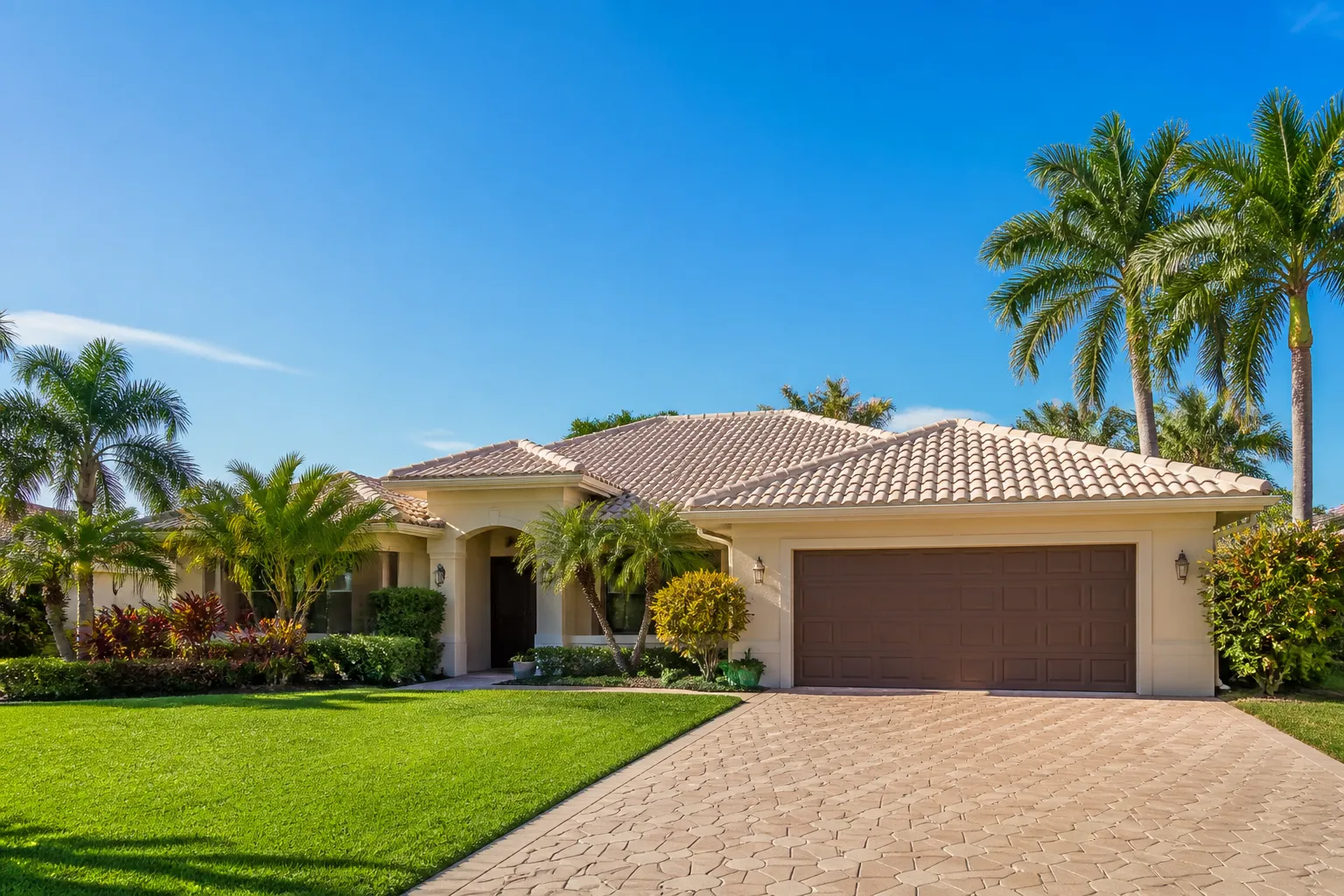
If you are seeing a leak, storm damage, aging materials, or simply want a professional opinion before planning work, request a free roofing estimate. We will help you understand the condition of your roof and the next practical step.