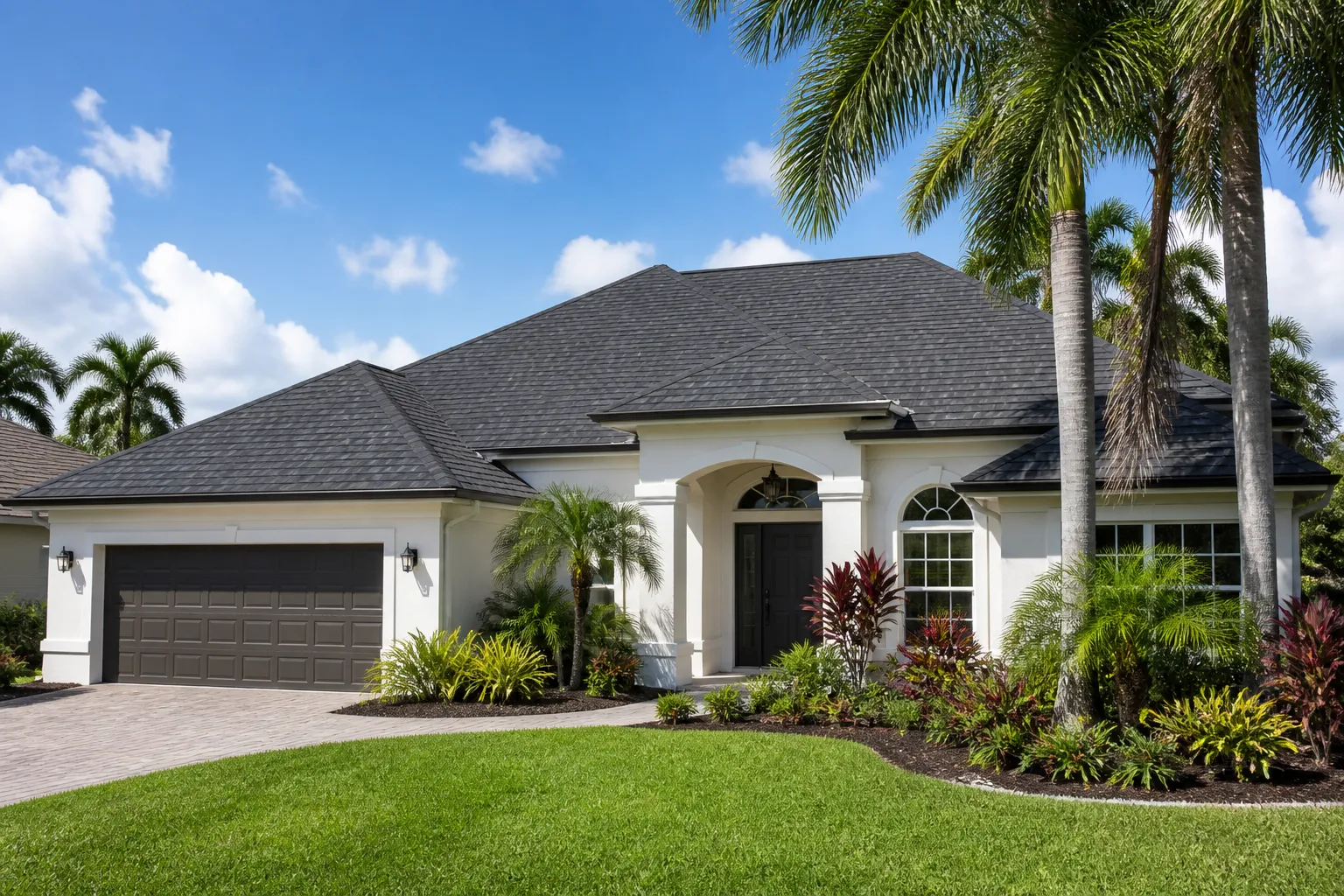
A hurricane-resistant roof is not simply a roof made from one tough material. It is a roof assembly designed with high winds and wind-driven rain in mind. The deck, underlayment, roof covering, fasteners, flashing, edge details, and penetrations all contribute to how the system performs when weather becomes severe.
For South Florida homeowners, understanding these layers makes it easier to ask useful questions when planning a replacement or evaluating an older roof. No roof can remove all storm risk, but careful design and installation can reduce vulnerable points.
The roof works as a system
Wind pressure does not act uniformly across a roof. Edges, corners, ridges, and transitions can experience greater forces. If a roof edge lifts, wind can reach layers underneath and worsen the damage. Wind-driven rain can also move sideways or upward into gaps around vents, walls, and flashing.
A wind-conscious roof focuses on continuous protection. Roof decking needs to be sound. Underlayment creates an important secondary barrier. The roof covering must be secured using a method suitable for that product and roof type. Flashing must move water back onto the roof surface rather than behind it.
Important hurricane-resistant details
- Deck attachment: A sound deck and its connection are fundamental to the rest of the assembly.
- Underlayment: This layer provides added water protection beneath the outer roof surface.
- Perimeter metal: Eaves and rakes need securely integrated edge details.
- Roof covering attachment: Shingles, tiles, panels, and membranes each require compatible fastening or adhesion methods.
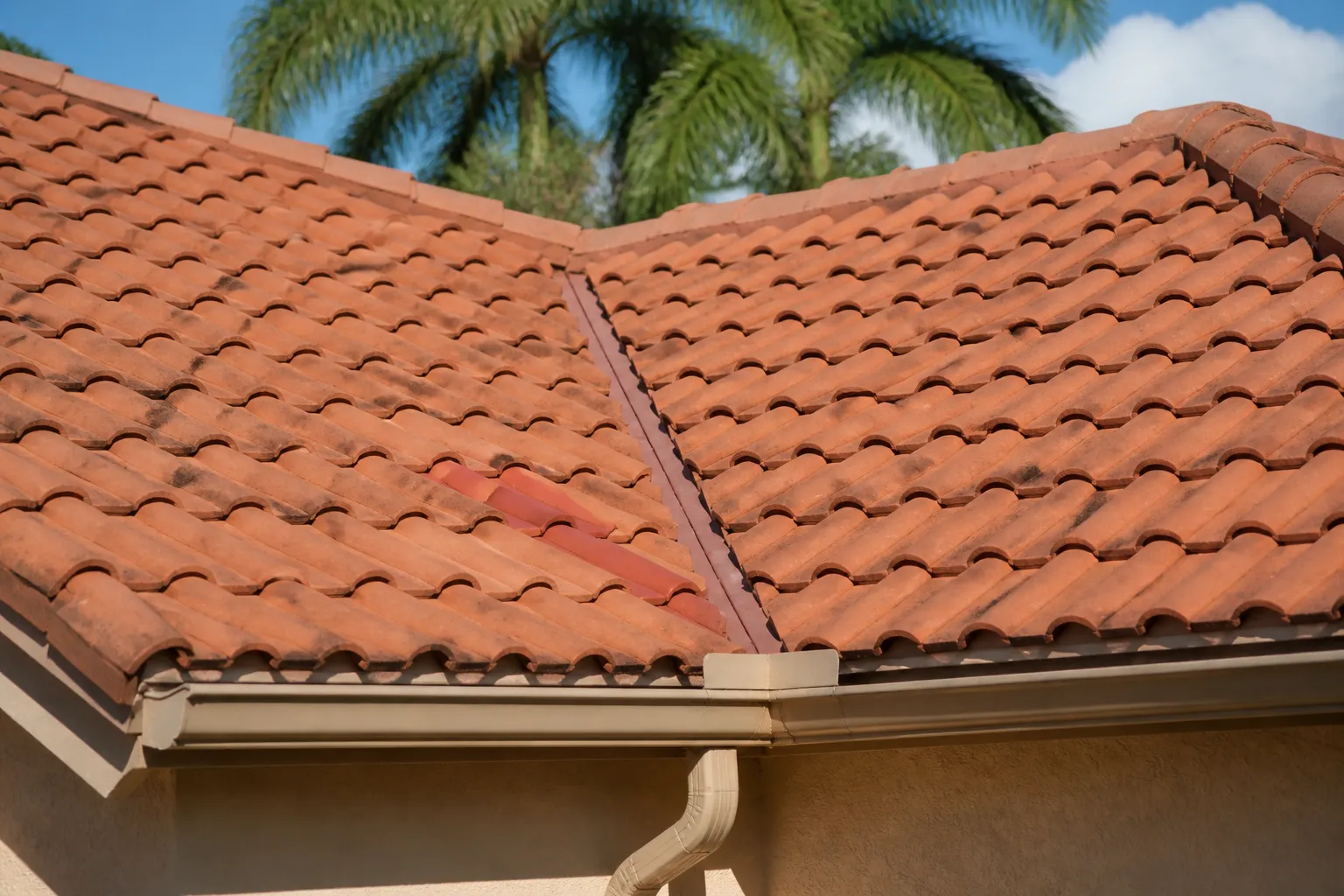
- Flashing: Valleys, walls, chimneys, skylights, and plumbing vents need carefully layered components.
Material choice still matters
Shingle, tile, metal, and low-slope roofing can each be part of a high-wind approach when the product and installation method suit the home. A material label alone does not tell the full story. Roof pitch, geometry, drainage, deck condition, and detailing are equally important.
Complex roofs require extra attention because every valley, dormer, wall intersection, and penetration creates another transition. Simple rooflines have fewer of these locations, but they still need properly finished edges and ridges.
What homeowners can look for
From the ground, observe roof edges after significant weather. Note missing shingles or tiles, lifted panels, loose ridge material, damaged flashing, and gutters that pull away. Inside, new ceiling staining, peeling paint near the ceiling, or moisture around an attic access can indicate water entry.
Do not climb onto the roof to inspect it yourself. Photograph visible changes and note when they appeared. That information helps a roofing professional trace the likely source.
When to plan upgrades
A roof replacement is usually the clearest opportunity to address concealed layers, since existing materials are removed and the deck can be reviewed. However, some localized issues, such as damaged flashing or a roof-edge component, may be addressed without a full replacement if the surrounding system remains sound.
An inspection helps determine whether the concern is a focused repair or part of broader aging. Repeated leaks, widespread material deterioration, or storm-related movement in several locations may indicate that a larger scope should be considered.
Maintenance supports resilience
Keep gutters and valleys clear so water can exit the roof. Trim branches that rub roof surfaces. Avoid mounting equipment through the roof without considering waterproofing details. Schedule an evaluation when you notice changes, rather than waiting for another storm to test the area.
Coral Springs Elite Roofing can assess the roof’s visible conditions, transitions, drainage, and material wear, then explain practical options for your home. An informed plan is the best way to approach high-wind roofing concerns.