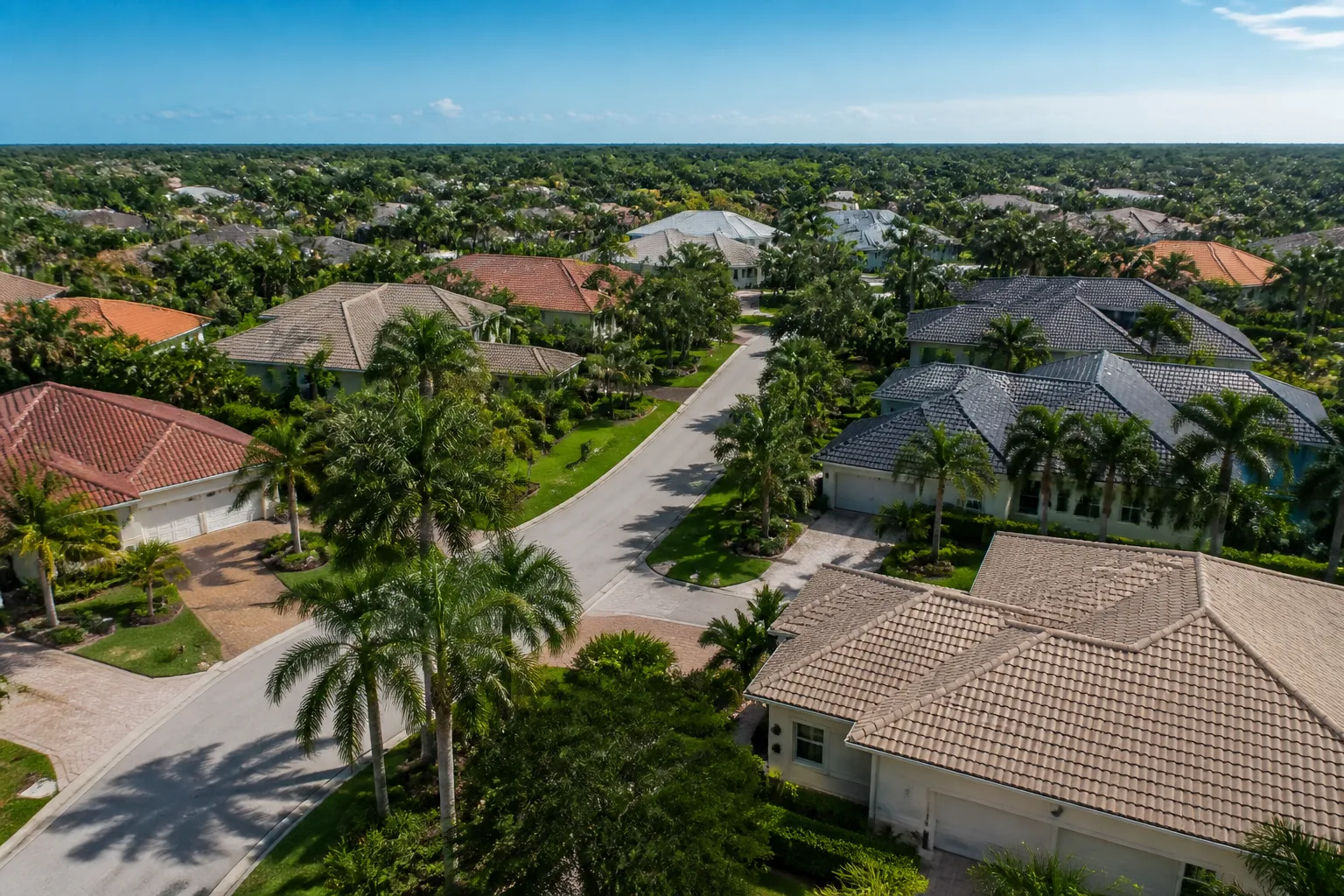
Roofing permits are an important part of planning a roof replacement or certain roofing repairs in Coral Springs. A permit is not just paperwork. It creates a review process for work that can affect weather protection, structural components, and compliance with applicable building requirements.
Permit rules can change, and the exact requirements depend on the scope of work, property type, and current local process. Homeowners should confirm requirements with the appropriate City of Coral Springs building department or a qualified roofing contractor before scheduling work. This article offers a practical overview, not legal or code advice.
When is a roofing permit commonly needed?
A full roof replacement commonly requires a permit because it involves removing and installing major roof-system components. Work that exposes the roof deck, replaces underlayment, changes the roof covering, or alters structural elements may also trigger permit and inspection requirements.
Smaller repairs can be different. A limited repair may or may not need a permit depending on the work being done and current local rules. It is not safe to assume that every small job is exempt. Ask before work begins, especially when a repair includes deck replacement, flashing changes, or a larger section of roofing material.
Why the permit process matters
A roofing project is a system of layers. The deck provides the base, underlayment adds weather protection, the roof covering sheds water, and flashing handles transitions around walls, vents, valleys, and other openings. Permitting and inspections are intended to help confirm that important parts of the work are completed in a manner consistent with applicable requirements.
For homeowners, documented permits and inspections can also be useful records. They may be relevant when selling a property, discussing a project with an HOA, or keeping a history of major work performed on the home.
What information may be part of the application?
The city or permitting authority may request information about the property, the project scope, the contractor, the proposed roofing materials, and supporting documents. Requirements vary, so it is important to use current guidance rather than relying on a neighbor’s past project.
Some projects may involve product information, plans, notices, or other documents. If the work changes structural elements or involves unusual roof conditions, additional review may be needed. A clear scope helps avoid confusion about whether the project is a focused repair, a reroof, or a more extensive reconstruction.
Understand the inspection stages
Roof work may be inspected at more than one point. Certain layers and details can be easier to evaluate before the final roof covering is fully installed. The exact stages depend on the project and local requirements, but they often relate to items such as deck condition, fastening, underlayment, flashing, and completed roofing materials.
Homeowners do not need to become inspectors, but they should know that project timing may be influenced by required reviews. Weather, inspection availability, and the need to correct a condition found during work can all affect the schedule. Build reasonable flexibility into the plan.
How an HOA can fit into the process
City permits and HOA approval are separate matters. A permit addresses public building requirements. An HOA may have its own architectural standards for roof color, material, profile, submittals, or timing. Meeting one requirement does not automatically satisfy the other.
Before selecting a material, request the current HOA roofing guidelines in writing and learn whether architectural approval is required. Provide the association with the actual product information and color choices when applicable. Allow time for its review before materials are ordered or work is scheduled.
What homeowners should do before work starts
- Confirm the current permit requirements for the exact project scope.
- Make sure the written proposal identifies the roof work and related repairs clearly.
- Ask who is handling the permit application and inspection coordination.
- Keep copies of proposals, approvals, permits, and inspection records.
- Check HOA requirements separately if the property is in an association.
- Discuss how unexpected deck or water damage found during tear-off will be documented and addressed.
Avoid common permit misunderstandings
One common mistake is treating a reroof as if it were just cosmetic. Roof replacements often involve concealed layers that play a major role in water management and attachment. Another mistake is assuming a contractor’s verbal statement is all the documentation needed. Keep the project records in a place you can reference later.
It is also wise not to confuse a permit with a guarantee that every future roof issue is prevented. Quality materials, careful installation, drainage, maintenance, and weather exposure all continue to affect roof performance. The permit process is one part of a well-organized project.
Plan with current local guidance
For the most accurate answer about permits in Coral Springs, contact the relevant city department before work begins. Coral Springs Elite Roofing can also discuss the visible condition of your roof and explain a clear scope for repair or replacement. Starting with accurate information helps the project move forward with fewer surprises.