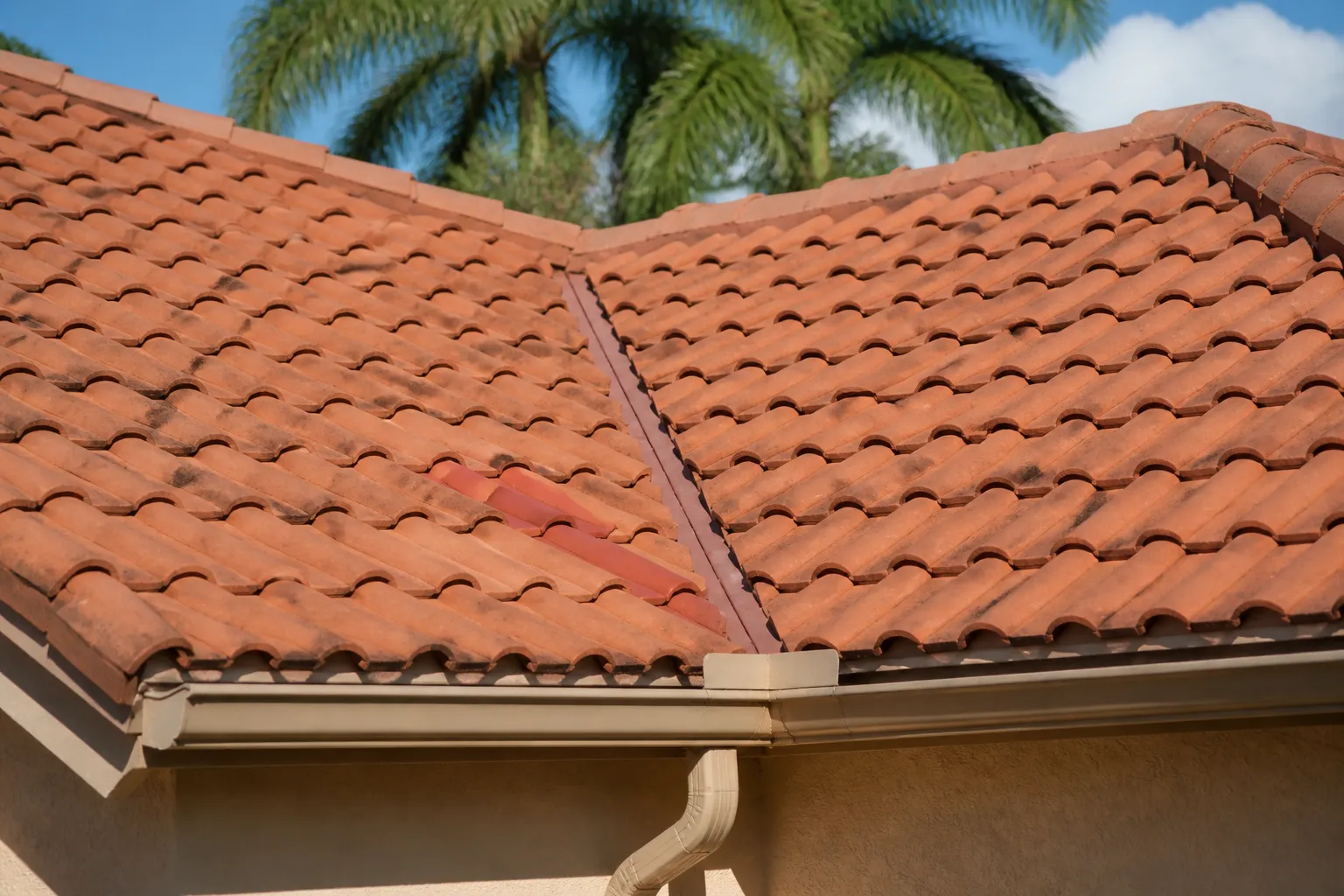
Tile roofs are common in Coral Springs because they suit the look of many South Florida homes and can stand up well to sun and rain. But tile is only the outer layer. The water-shedding layer below it, called underlayment, is often the part that determines when a tile roof needs major attention.
Homeowners sometimes assume that intact-looking tiles mean the entire roof is in good condition. In reality, underlayment can age beneath the tile long before there is an obvious problem from the street. Understanding its expected life, the factors that shorten it, and the signs of failure can make planning much easier.
How long does tile roof underlayment last?
There is no single lifespan that fits every Coral Springs tile roof. Underlayment life depends on its material, the quality of the original installation, the roof’s slope and layout, ventilation, drainage, sun exposure, and maintenance history. Many older tile roofs eventually need underlayment replacement even when a meaningful portion of the tiles can be carefully reused.
Tile itself is durable, but it is not a sealed waterproof surface. Rain can move between tiles, especially during wind-driven storms. The underlayment is the critical secondary barrier that helps keep that water from reaching the roof deck. As it becomes brittle, torn, worn at fastener points, or poorly integrated around flashing, the chance of leaks rises.
Why Coral Springs conditions matter
South Florida weather places steady demands on the layers beneath a tile roof. Strong ultraviolet exposure heats the roof surface day after day. Heavy seasonal rain tests valleys and transitions. Wind can move debris across the roof or drive water into areas that see little moisture during a light shower. Humidity can make minor moisture problems harder to ignore once they reach the attic or interior finishes.
Roof geometry matters too. A simple roof plane has fewer transitions than a roof with multiple hips, valleys, skylights, vents, chimneys, and wall intersections. Each transition requires carefully layered underlayment and flashing. These are often the places to examine closely when a leak appears.
Clues that underlayment may be aging
- Ceiling stains that appear after hard or wind-driven rain.
- Leaks near valleys, vents, chimneys, or roof-to-wall intersections.
- Cracked, slipped, or repeatedly repaired tiles in the same area.
- Musty attic odors, damp insulation, or staining on the underside of the roof deck.
- Roof areas that look uneven or show signs of long-term moisture.
- A tile roof that is approaching the age when a professional condition review makes sense.
None of these signs proves that underlayment is the only issue. A broken tile, failed flashing detail, or damaged pipe boot can also allow water in. The key is to investigate the roof assembly rather than sealing the visible symptom and hoping the problem is gone.
Can tiles be reused during underlayment replacement?
In many cases, serviceable tiles can be lifted, sorted, and reset after the underlying materials are replaced. Whether that is practical depends on the tile condition, the roof design, the availability of matching replacement tiles, and what is found once work begins. Some tiles may crack during removal because they are weathered or already damaged, so it is wise to plan for replacement pieces.
A proper project is more than removing tile and rolling out a new layer. It provides an opportunity to inspect accessible decking, integrate valleys and flashing correctly, and examine penetrations and edge details. Those related components matter because new underlayment cannot compensate for a weak drainage path or compromised transition.
What an inspection should consider
A useful roof inspection starts with the leak history and a look at the roof from the exterior. The inspector should note tile condition, ridges, hips, valleys, roof edges, penetrations, flashing, and signs of debris buildup. When accessible, attic observations can help show where moisture has traveled, although water can enter far from where it becomes visible indoors.
The assessment should distinguish a focused repair from widespread aging. A localized problem may be corrected by addressing a small area and its surrounding details. Repeated leaks in multiple sections or widespread underlayment wear may point toward planning a larger project. Coral Springs Elite Roofing can explain the visible conditions and the practical next step for your roof.
How to protect a tile roof between inspections
Look at the roof from the ground after major weather. Watch for displaced tiles, fallen debris, bent gutters, or new stains on ceilings and exterior walls. Keep branches from rubbing the roof, and make sure gutters and drainage paths are not blocked. Avoid walking on the tile yourself. Foot traffic can crack tiles and make a small concern worse.
If you notice a stain, note when it appeared and whether it followed a particular kind of rain. That information can help trace the water pattern. Prompt evaluation is usually easier than waiting for repeated moisture entry to affect more of the roof assembly.
The practical takeaway
Tile roof underlayment does not have a fixed expiration date, but it should not be overlooked simply because the tile still looks good. Its condition is shaped by age, weather, roof design, and the quality of critical details. An inspection can help you understand whether you are dealing with a repairable issue or a roof that needs a broader underlayment plan.
For a clear assessment of a Coral Springs tile roof, contact Coral Springs Elite Roofing. We will review the visible roof conditions, explain the role of the underlayment, and help you make an informed decision.