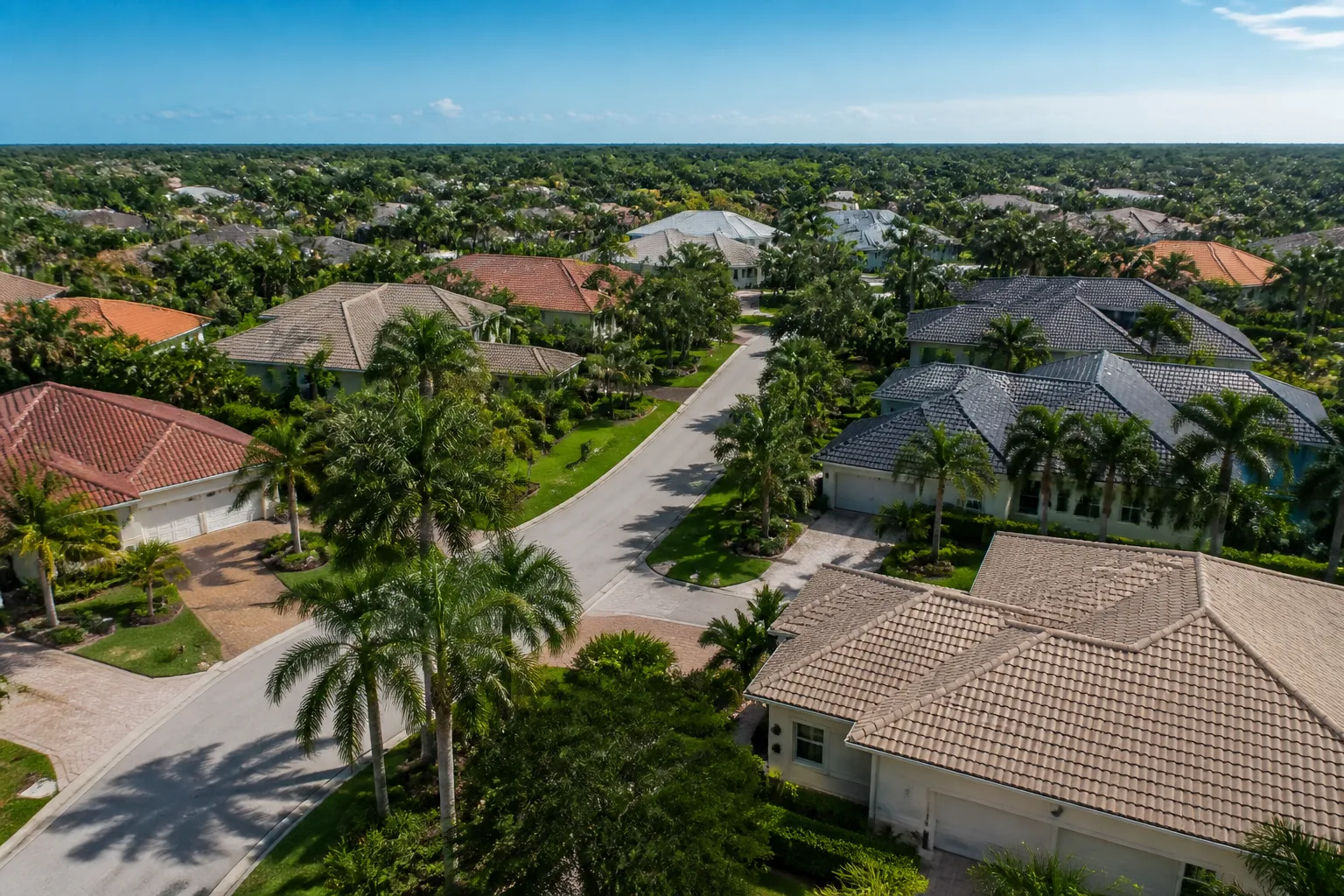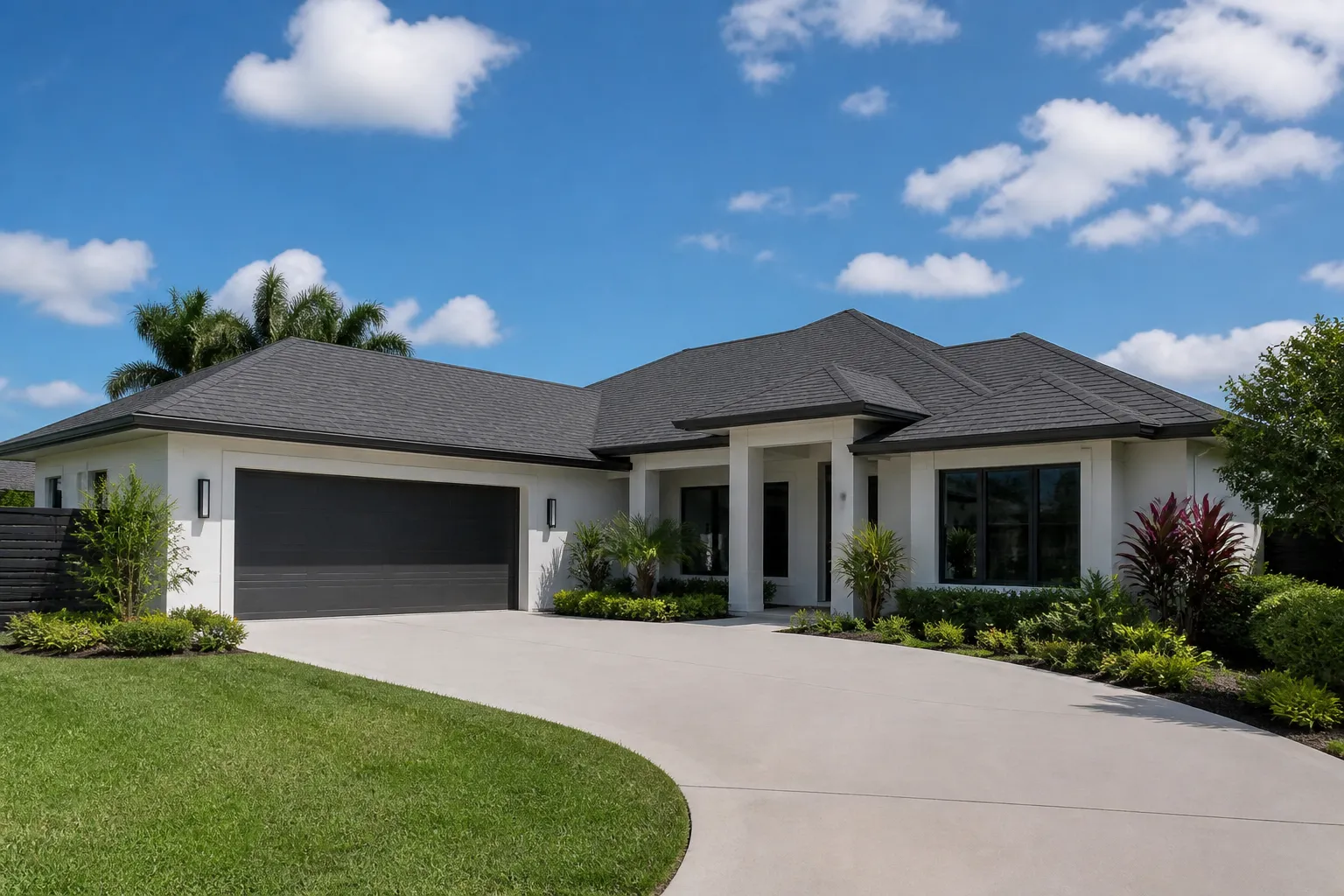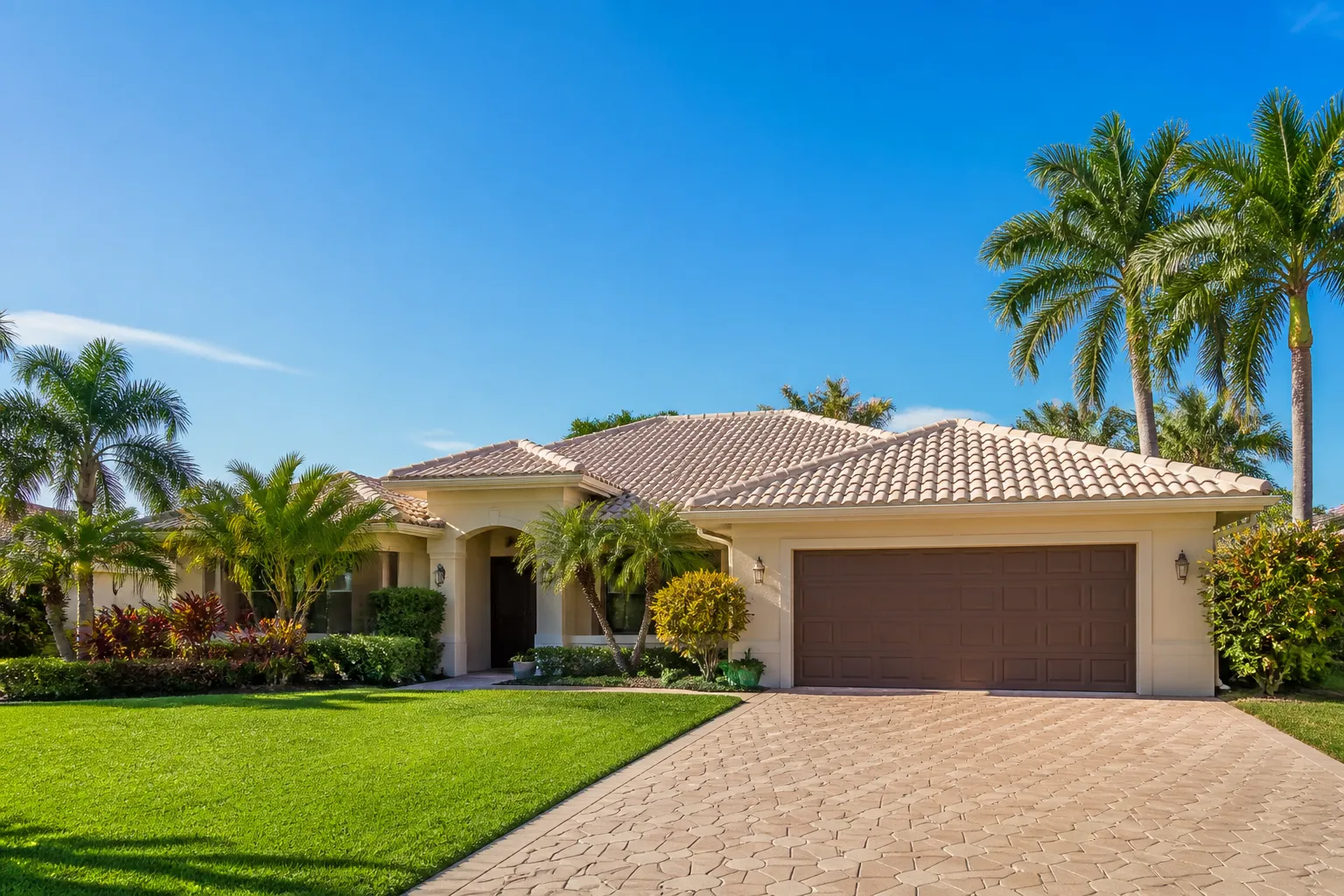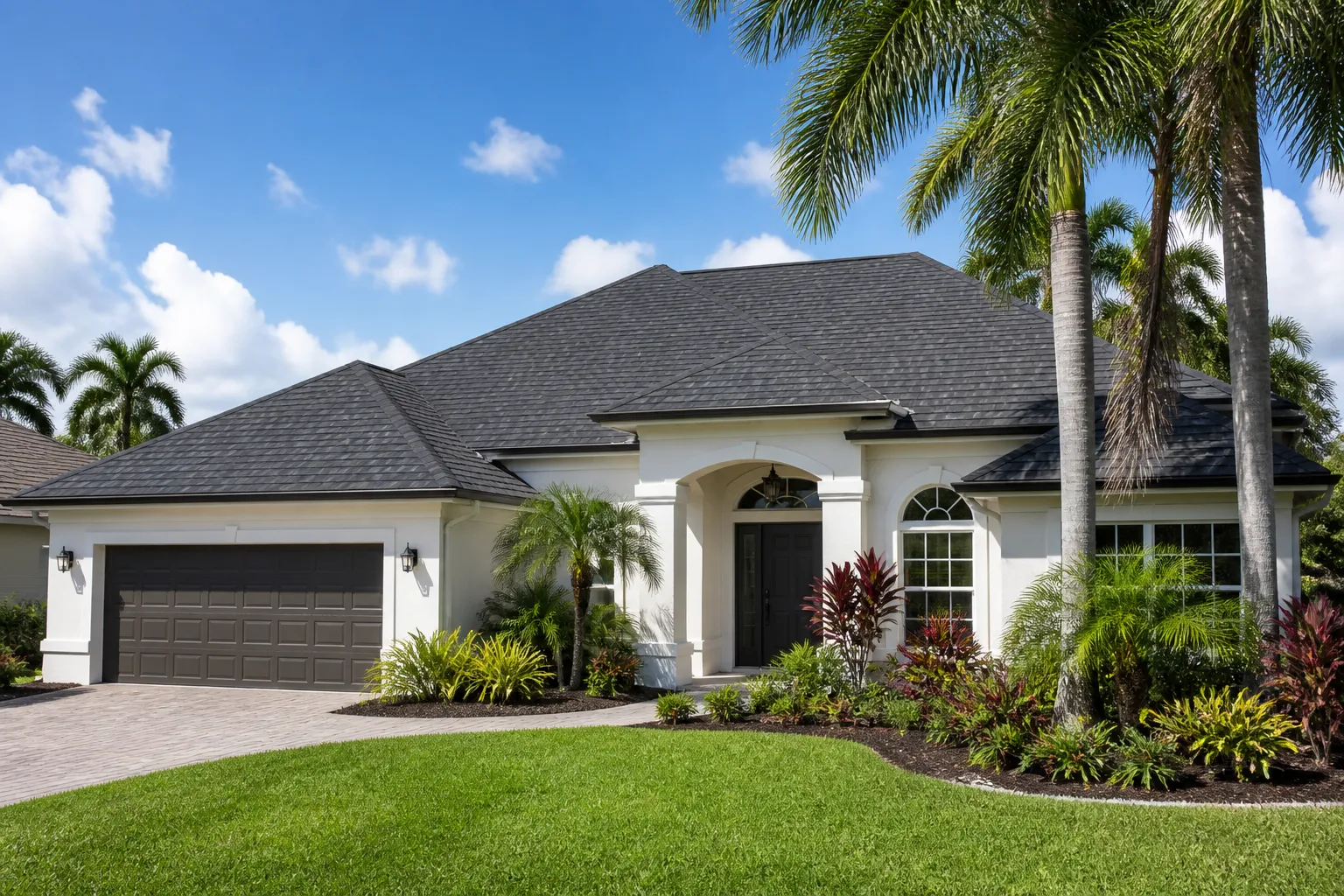
Homeowners often ask how long a roof should last, but South Florida does not give roofs an easy environment. Intense ultraviolet exposure, heat, humidity, heavy rain, wind, salt air in some locations, and tropical weather can all influence how a roof ages. Material type matters, but installation quality, roof design, drainage, and ongoing care matter too.
Rather than relying on one lifespan number, use the roof’s age and visible condition as part of a larger picture. An inspection can help distinguish normal weathering from problems that need repair or planning.
What shortens roof life in South Florida
Sun exposure can dry and age roofing materials over time. Heat cycles cause materials to expand and contract. Heavy rainfall tests every flashing detail and drainage path. Wind can loosen edges, ridge pieces, and older fasteners. Humidity keeps shaded areas damp longer and can encourage algae or mildew growth.
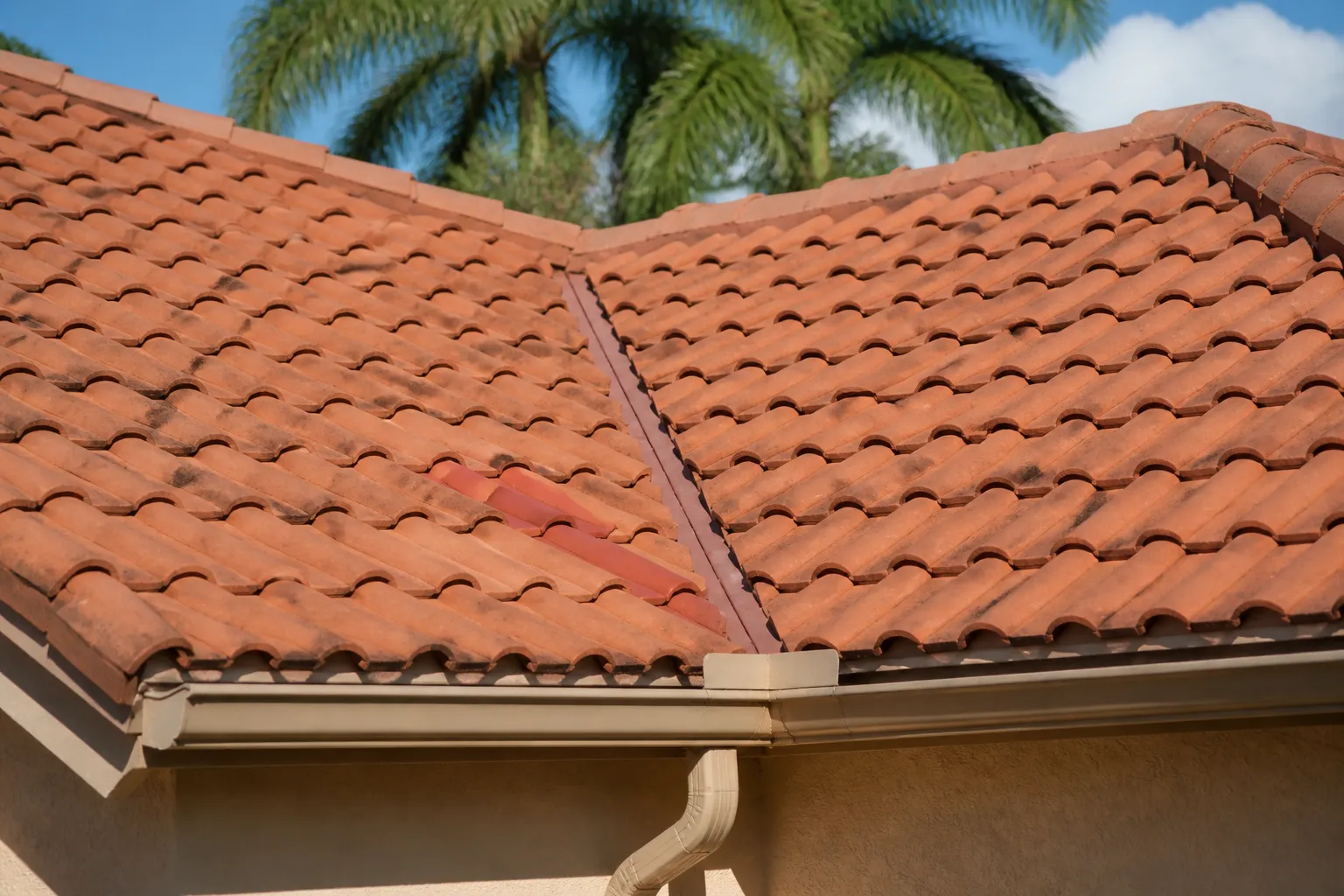
These conditions do not automatically mean a roof has failed. They do mean small defects should not be ignored. A cracked seal point, displaced tile, lifted shingle, or blocked valley can allow water into layers that should stay dry.
Material is only one part of the answer
- Asphalt shingles: Their condition depends on sun exposure, ventilation, attachment, and the quality of the original installation.
- Tile: Tile can be durable, but underlayment and flashing beneath it are critical to the roof system.
- Metal: Coatings, fasteners, seams, and flashing all deserve attention as the roof ages.
- Low-slope roofs: Membranes and coatings need sound seams, penetrations, and drainage to perform well.
Each roof should be evaluated according to its own material and assembly. A tile roof may look presentable while underlayment or flashing needs attention. A metal roof may have sound panels but aging fastener seals. The visible surface is important, but it is not the full story.
Signs a roof may be aging
Look for changes from the ground after rain or wind: missing or loose material, dark areas, cracked or curling shingles, displaced ridge pieces, rusted metal, loose flashing, sagging gutters, or roof-edge staining. Inside, ceiling discoloration, peeling paint near a ceiling line, damp attic odors, or unexplained moisture are reasons to schedule a review.
Do not walk on the roof to investigate. Foot traffic can cause damage and creates a safety risk. Document what you can see from the ground and note the weather conditions when a leak or stain appears.
Drainage and roof edges
A roof sheds water only when its valleys, gutters, downspouts, drains, and edges can do their job. Leaves and branches can block drainage paths and keep water near sensitive transitions. Water that repeatedly runs behind a gutter can damage fascia. Ponding on a low-slope roof can point to drainage or surface concerns.
Routine observation and safe debris management can make a meaningful difference. Keep overhanging branches from rubbing the roof, and have persistent drainage issues evaluated instead of treating them as cosmetic.
Why inspections help
A periodic inspection can identify worn flashing, damaged seal points, material movement, and early signs of water entry before they become more disruptive. It also provides a record of the roof condition and helps homeowners plan rather than react to a surprise leak.
Coral Springs Elite Roofing can assess the roof surface, transitions, drainage, and accessible areas, then explain whether the condition suggests a targeted repair, continued monitoring, or replacement planning.
Make decisions based on condition
Age is a useful reference, but it should not be the only reason to replace a roof. A younger roof can need repair after storm damage, while an older roof may still be serviceable with focused work. The appropriate decision depends on the extent of deterioration, the location of the issue, the roof’s leak history, and whether repairs would address the system as a whole.
For South Florida homeowners, paying attention early is the practical approach. Regular observation, clear drainage, and timely inspection give you more options when weather begins to reveal a weak point.