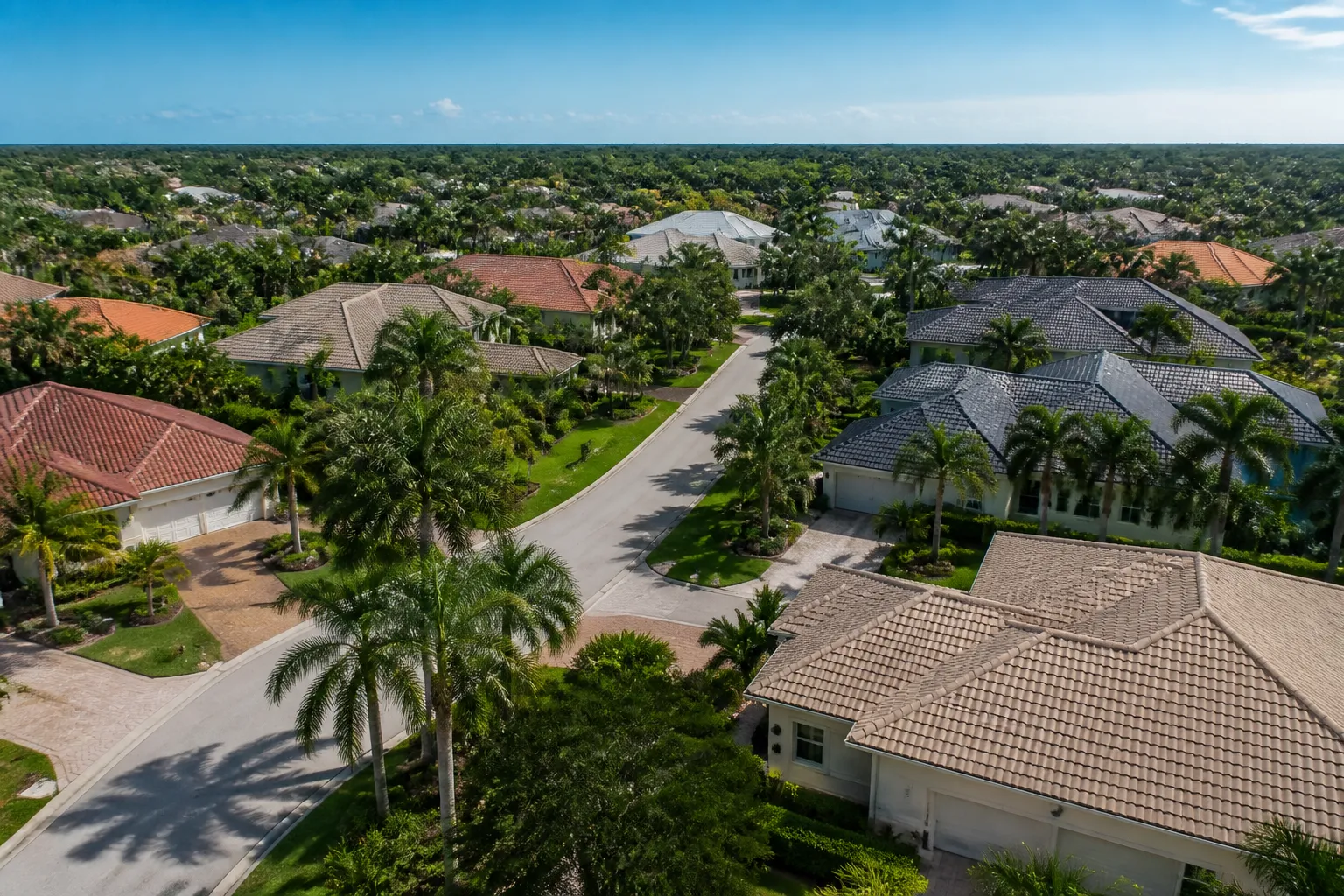
Hurricane season preparation is easier when it starts before forecasts fill the news. A roof that is already carrying loose materials, clogged drainage paths, or worn flashings has more opportunities for water to enter when heavy rain and wind arrive together. Coral Springs Elite Roofing explains how to get your roof ready before storm season.
For Coral Springs homeowners, the goal is not to make a roof invulnerable. It is to identify visible concerns, complete sensible maintenance, and understand when an inspection or repair is needed before conditions worsen.
Start with a ground-level check
Walk around the home without climbing on the roof. Look for displaced shingles or tiles, loose soffit material, branches rubbing the roof, sagging gutters, and debris in valleys. Inside, check ceilings and attic areas for stains, damp insulation, or musty odors.
Clear debris and support drainage
Leaves, seed pods, and branches can collect in gutters, drains, valleys, and behind roof features. When water cannot move freely, it can back up toward vulnerable transitions. Keep trees maintained so limbs are not scraping the roof or positioned to drop debris during a storm.
Pay attention to roof details
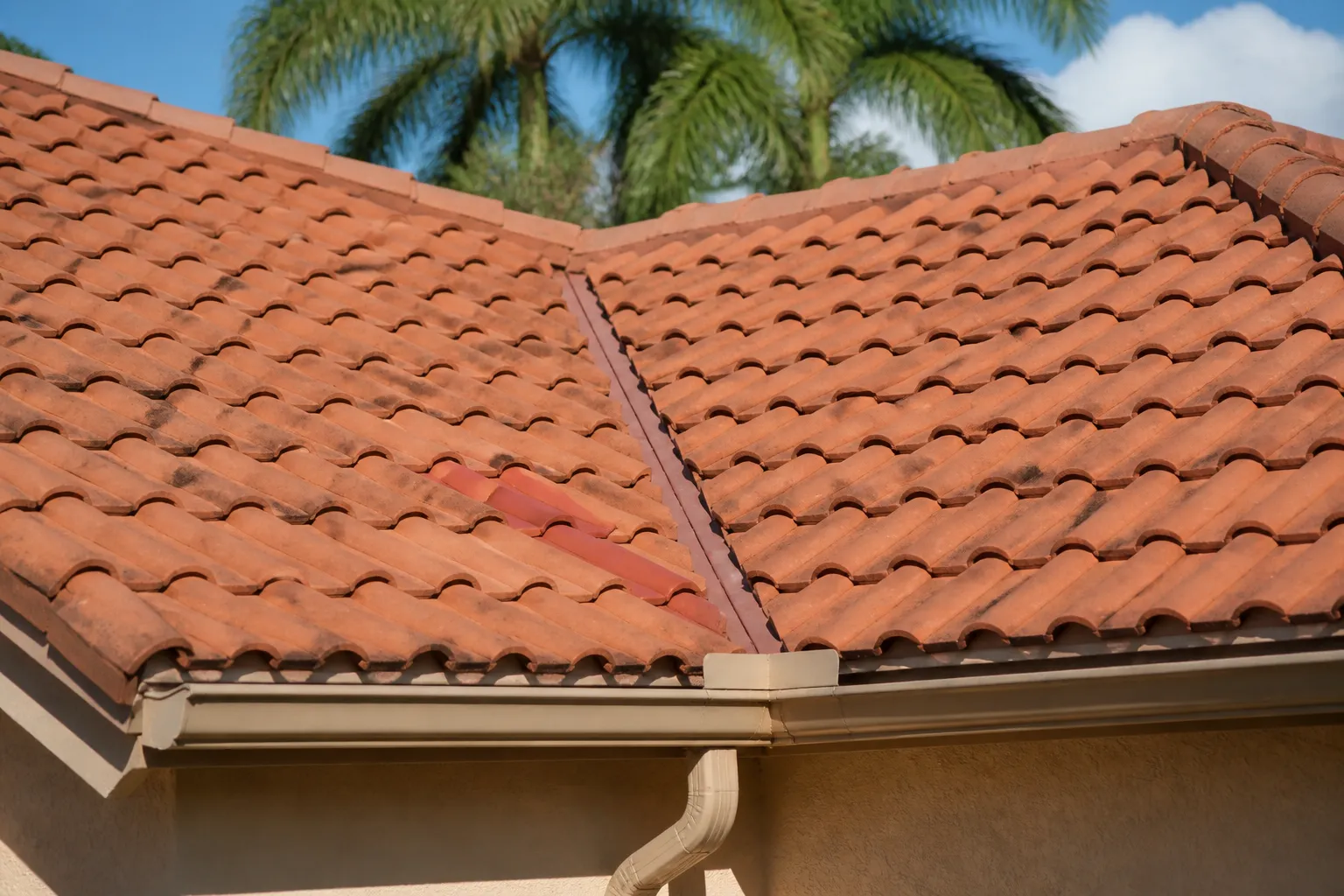
- Flashing around walls, chimneys, skylights, and vents
- Pipe boots and seals at roof penetrations
- Ridge, hip, and edge materials
- Gutters, downspouts, and roof drainage paths
- Loose or cracked shingles and tiles
Schedule an inspection when you see changes
Recurring leaks, fresh water stains, damaged roof materials, or a changed roof line are reasons to arrange a professional review. An inspection can identify whether a concern is isolated or connected to aging materials, underlayment, deck damage, or flashing details.
Do not make risky last-minute repairs
Avoid walking on a wet or steep roof, especially as storms approach. Covering a visible issue without understanding the water path can trap moisture or fail in high wind. If a repair is needed, have the roof and surrounding materials evaluated so the work addresses the actual condition.
Keep useful records
Take dated photos from the ground before the season and after notable storms. Keep copies of roof repair documents, inspection notes, and material information in a safe place. Clear records can help you track changes in roof condition over time.
Know the season dates
The Atlantic hurricane season runs from June 1 to November 30. The best time to look at your roof is in the spring, before the season starts. That leaves time to fix small problems without a rush.
Secure loose items near the roof
Strong wind can turn loose things into flying debris. Trim tree limbs that hang over the roof. Bring in or tie down patio furniture, grills, and planters. Check that satellite dishes, solar panels, and vents are firmly attached. Do not climb on the roof yourself to do this. Clean only the gutters you can reach safely from a ladder, or call a pro.
After a storm passes
Look at the roof from the ground first. Watch for missing shingles, broken or shifted tiles, bent flashing, or debris on the roof. Check ceilings and the attic for new stains. Take dated photos before any cleanup. If you see damage, cover the area only if it is safe to do so, and then call for an inspection.
Prepare before the forecast
Early planning gives you more time to remove debris, address visible concerns, and arrange a roof evaluation. If you would like a clear assessment of your Coral Springs roof before hurricane season, Coral Springs Elite Roofing can help you understand the current condition and next steps.