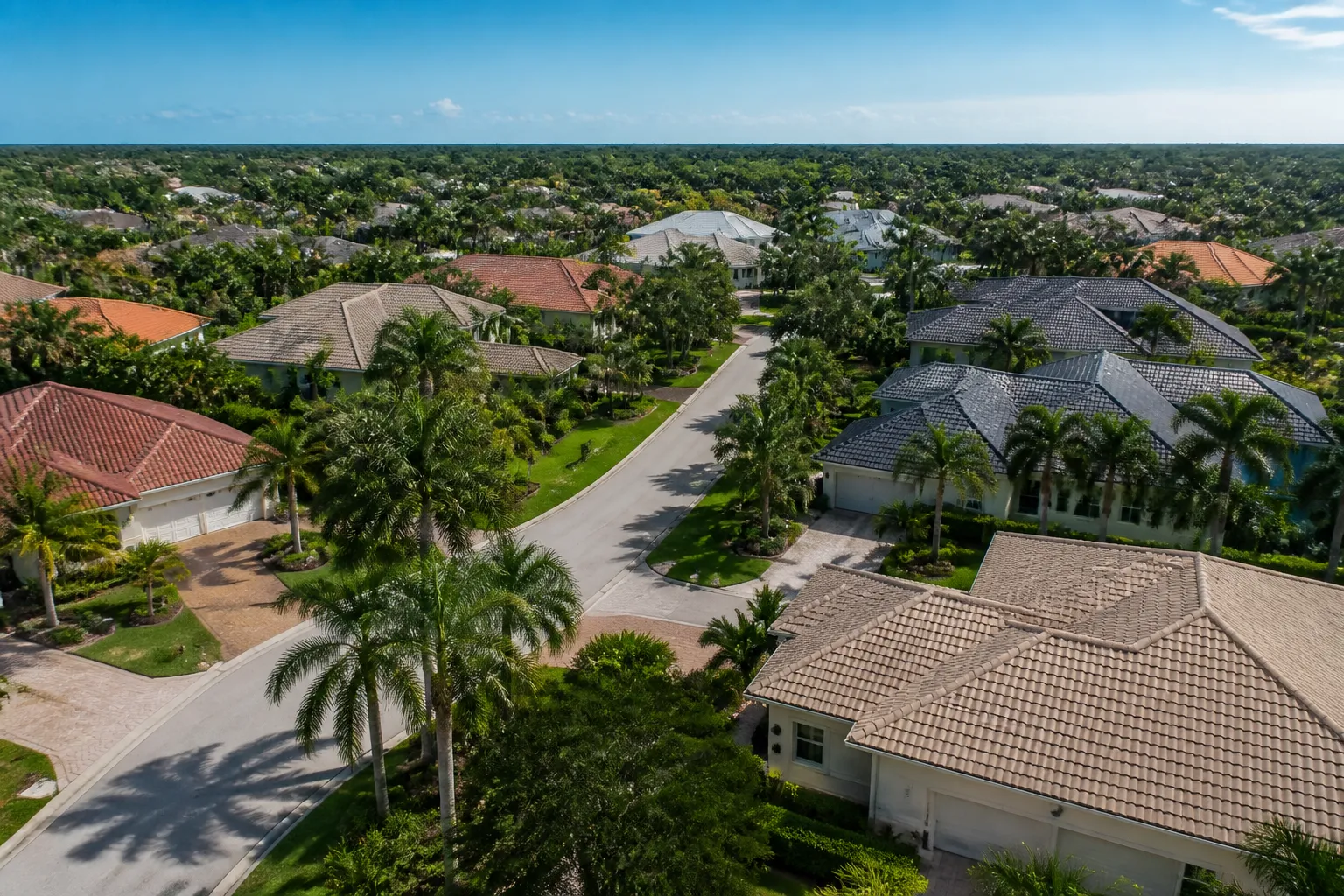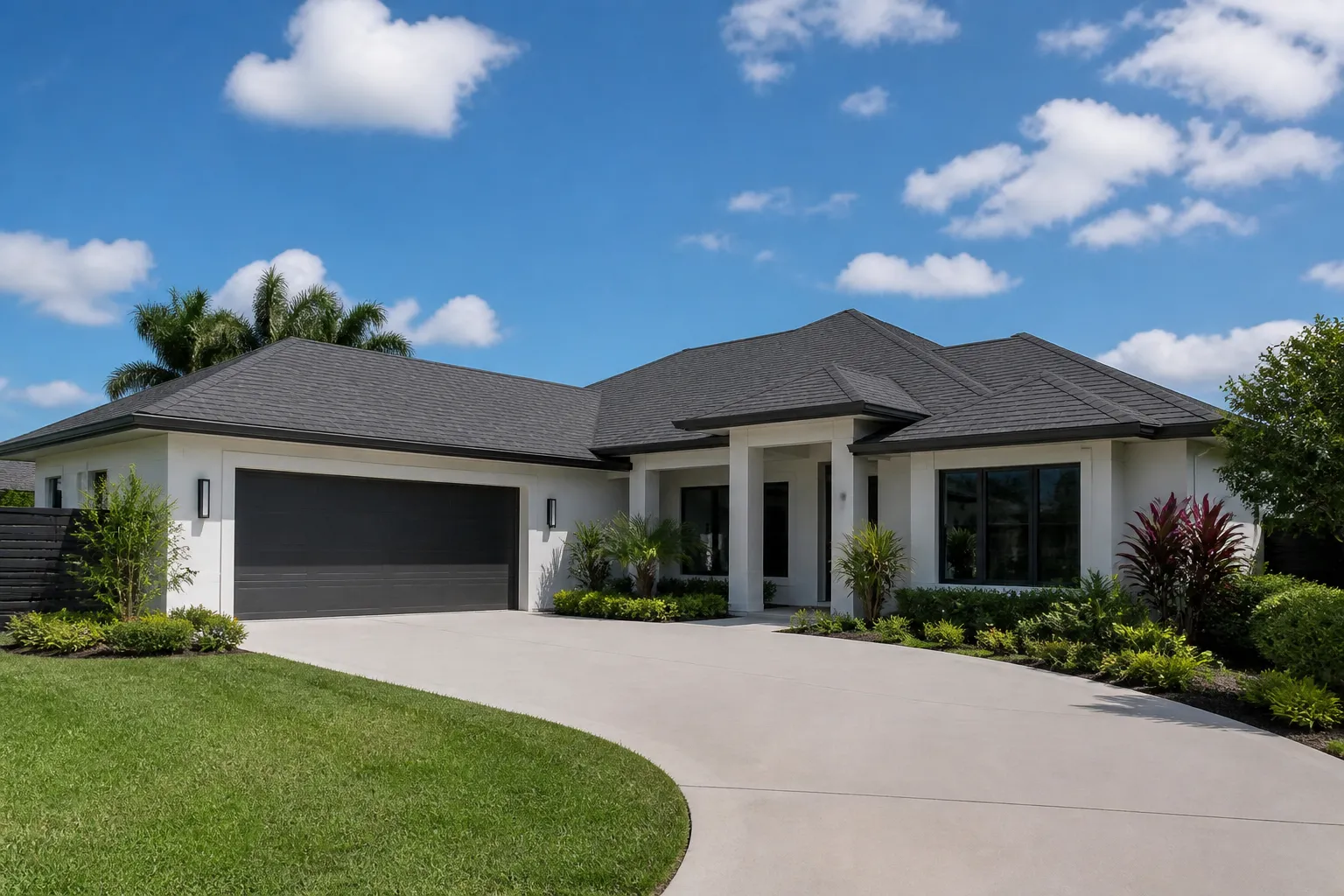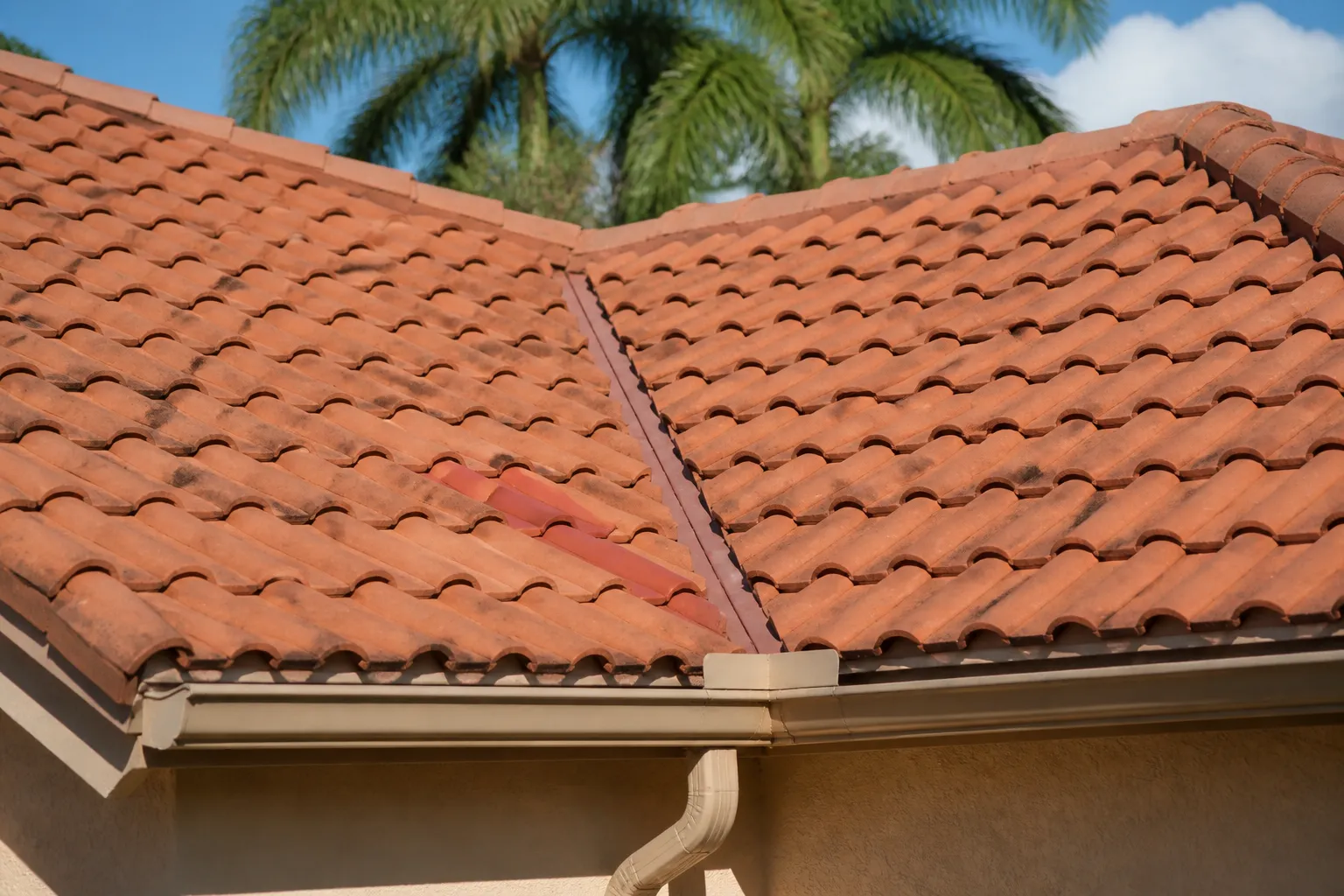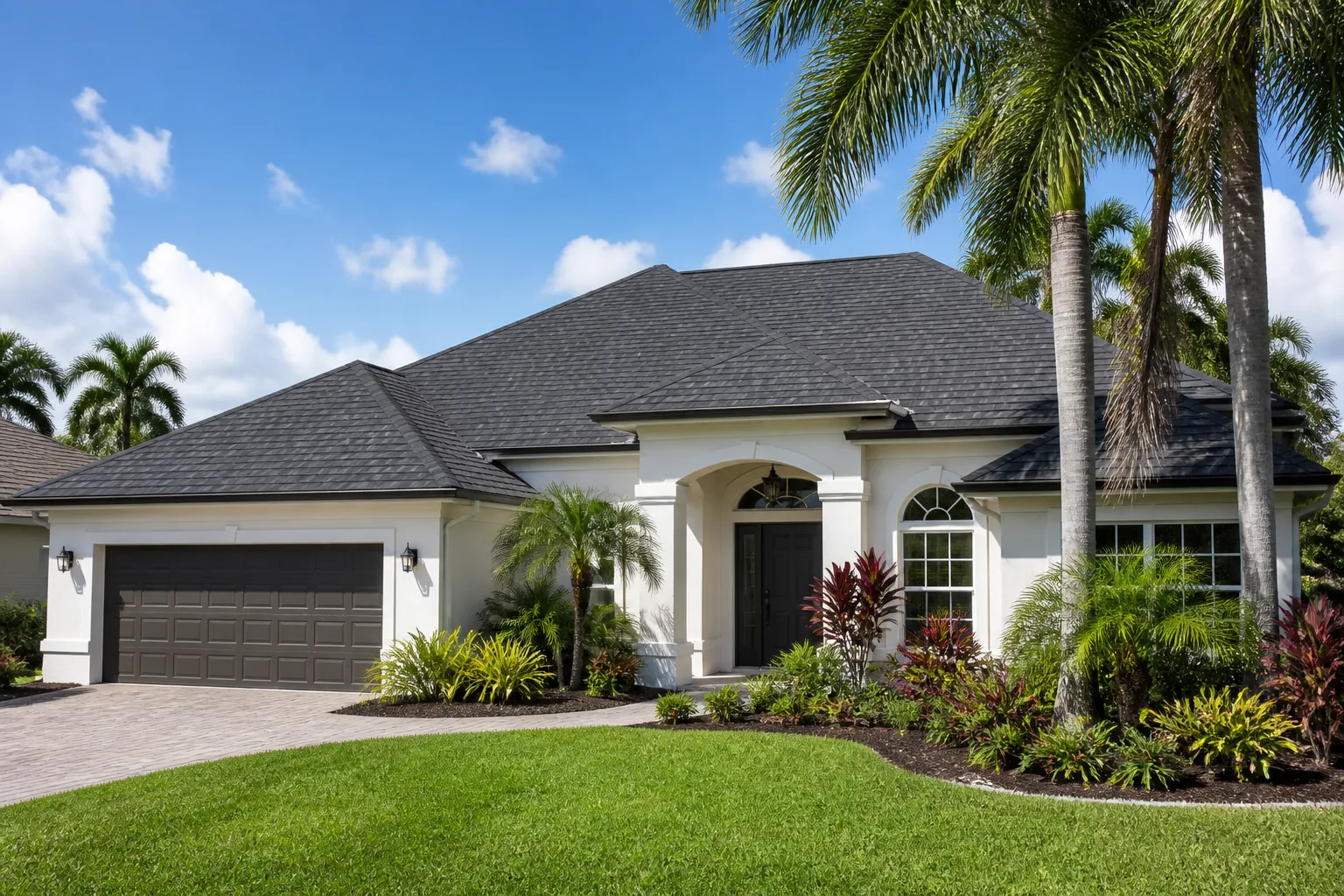
Tile and shingle roofs are both common in Coral Springs, but they create different visual styles and have different installation considerations. The better choice depends on your home’s structure, roof slope, neighborhood character, existing roof system, and the condition of the deck beneath it. Coral Springs Elite Roofing compares the two below.
Rather than starting with a one-size-fits-all answer, it helps to compare how each material behaves as part of a complete South Florida roof assembly.
Tile roofing at a glance
Tile offers a distinctive architectural appearance and can work well on many South Florida homes. Individual tiles are installed over underlying roof layers that remain crucial to the system’s water resistance. A tile roof should be evaluated as a full assembly, including underlayment, flashings, battens when applicable, and the supporting deck.
Shingle roofing at a glance
Architectural shingles provide a different look and can suit a wide range of home styles. Their performance relies on proper deck preparation, underlayment, flashing, nailing pattern, and edge details. Shingles may be a practical option where the home’s design and project goals support that system.
Key differences to consider
- Weight: Tile is generally heavier, so the structure and existing roof conditions need consideration.
- Appearance: Tile and shingles create very different roof profiles and curb appeal.
- Individual repairs: Both systems can need targeted repairs, but the approach and matching considerations differ.
- Roof complexity: Valleys, transitions, penetrations, and roof slope affect either choice.
- Underlying layers: Underlayment, flashings, and deck repairs matter regardless of the visible material.
Florida weather considerations
Sun, rain, wind, and humidity make careful installation more important than a material label alone. The roof system must manage water at edges, valleys, vents, and wall transitions. Choosing approved, compatible components and following the appropriate installation details helps create a more complete assembly.
When replacing tile with shingles or shingles with tile
A material change is more than a surface swap. It may involve reviewing structural loading, roof slope, deck condition, flashing configuration, and local requirements. A full inspection provides a clearer understanding of what the change would involve.
Weight and structure
Tile is much heavier than shingles. A roof frame built for shingles may not be made to carry tile. If you want to switch from shingles to tile, a structural check should come first. Going from tile to shingles takes weight off the frame, but the deck and edges still need a close look once the old tile comes off.
Repairs and upkeep
Shingle repairs are often simple. A damaged shingle can be lifted out and replaced. Tile repairs take more care. Tiles can crack if someone steps on them the wrong way, and matching an older tile color or shape can be hard. With both materials, the layer under the roof covering is what keeps water out over time. That layer should be part of any repair talk.
Questions to ask before you choose
- Can my roof frame carry the material I want?
- Does my HOA allow this material and color?
- What underlayment will go under it?
- How will the edges, valleys, and walls be flashed?
- Does the product have the approvals needed for Broward County?
Making a practical decision
Consider the home’s design, your preferred appearance, the existing roof structure, and the condition discovered during inspection. Coral Springs Elite Roofing can review the roof and explain material options in the context of your property, so you can make an informed next step.