Choosing between roof repair and replacement can feel difficult, particularly after a Florida storm or when a ceiling stain appears. The right choice is not determined by one missing shingle or by age alone. It depends on the location and extent of damage, the condition of the roof system, prior repairs, and whether a focused repair will reliably address the cause.
A careful inspection gives homeowners the information they need to make a practical decision. Here are the factors that usually matter most.
When a repair may make sense
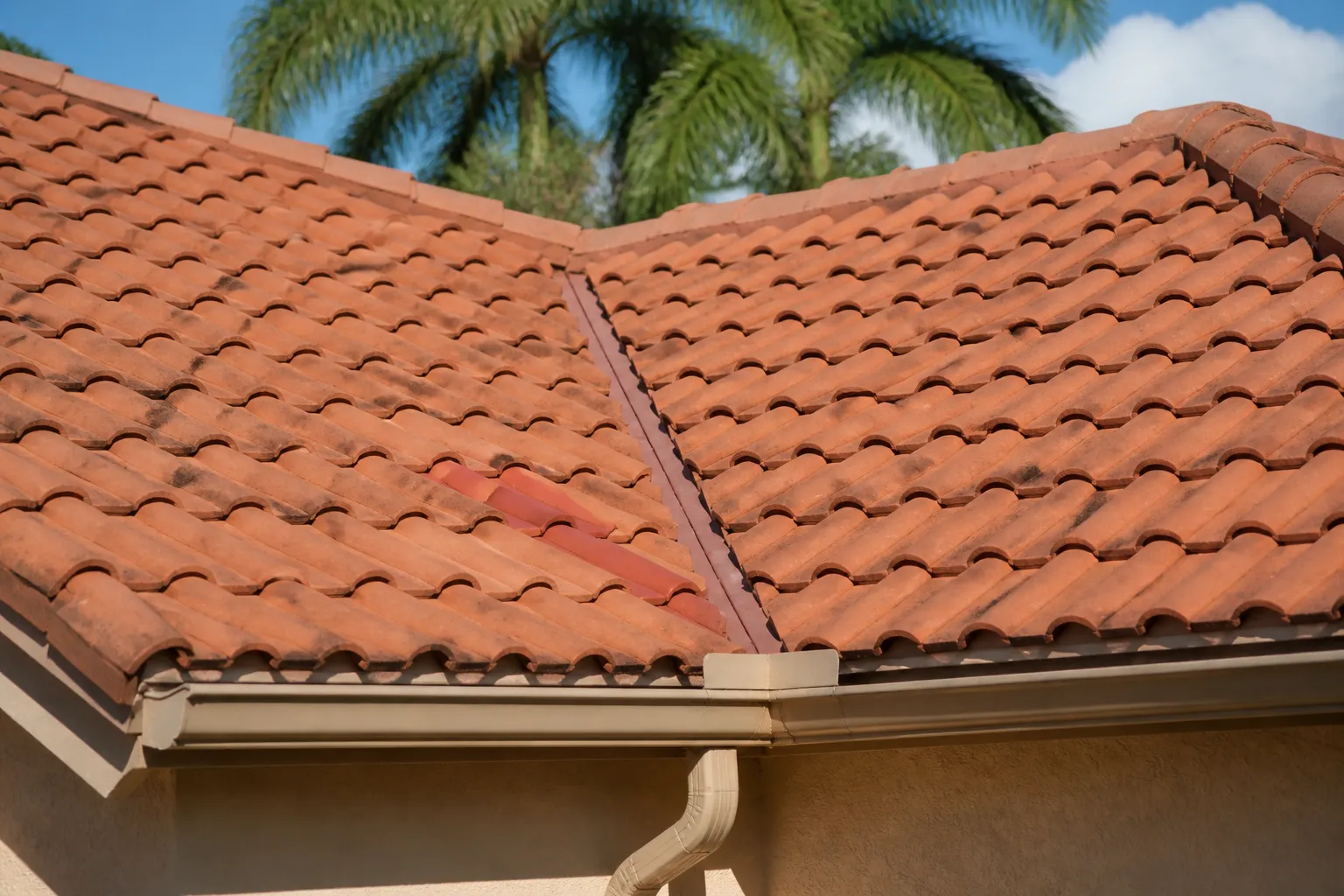
A targeted repair is often appropriate when the concern is isolated and the surrounding roof is in good condition. Examples include a damaged pipe boot, localized flashing issue, a small area of displaced shingles or tile, or a limited leak caused by a specific transition. The repair should integrate with the existing roof and restore the path that directs water away.
The key question is whether the repair addresses the reason water entered. Applying surface sealant over a broad area, without identifying a failed flashing or damaged material, may not provide a durable answer.
When replacement becomes more practical
Replacement may be a better path when roof materials show widespread deterioration, leaks occur in multiple areas, repairs have become repetitive, or the roof is approaching a point where new repairs will not provide much value. A replacement also allows the deck, underlayment, flashing, and roof edges to be evaluated as one coordinated system.
Visible age is only one clue. A roof with brittle shingles, widespread granule loss, cracked tiles, corroded components, recurring interior stains, or extensive patchwork deserves a closer review. The condition below the visible surface can also influence the recommendation.
Questions to ask during an inspection
- Is the damage confined to one area or scattered across the roof?
- Are there signs of water entry around flashing, valleys, or penetrations?
- How does the surrounding roof material look and perform?
- Have similar leaks or repairs occurred before?
- Are drainage, gutters, fascia, or roof edges contributing to the concern?
- Would a repair integrate securely with the existing roof system?
Florida weather changes the equation
Heavy rain and wind-driven water can expose weak transitions that were not obvious during mild weather. High winds can lift loose edges and move damaged material. Intense sun can age sealants and roofing surfaces. For this reason, the roof should be considered as a water-shedding assembly, not just a collection of visible pieces.
After a storm, observe the roof from the ground. Look for missing or shifted material, loose trim, blocked gutters, damaged soffit, and new stains inside the home. Take photographs and arrange an inspection if something has changed.
Do not overlook the deck and underlayment
The roof covering protects the layers below it, but it depends on a sound roof deck and properly installed underlayment. If a leak has continued for some time, moisture can affect these concealed components. A full replacement gives access to evaluate and correct these conditions. With a local repair, the scope should still consider whether the nearby materials remain sound.
Comparing repair and replacement proposals
Ask for a clear explanation of the observed condition, recommended work, and the reason for that scope. A repair proposal should identify the location and components involved. A replacement proposal should explain removal, underlayment, flashing, edge details, and how discovered deck concerns would be handled.
Do not compare only the total at the bottom of the page. Compare the work being performed. A lower estimate may leave out removal, material details, or related repairs that are needed for a complete system.
A practical next step
Coral Springs Elite Roofing can inspect your roof and explain the difference between an isolated repair and broader deterioration. The goal is a recommendation based on what is present, not pressure to choose work that does not fit the roof.
If you see a ceiling stain, missing roof material, damaged flashing, or repeated leaks, address it early. Timely evaluation often gives homeowners more choices and helps prevent water from affecting additional areas.