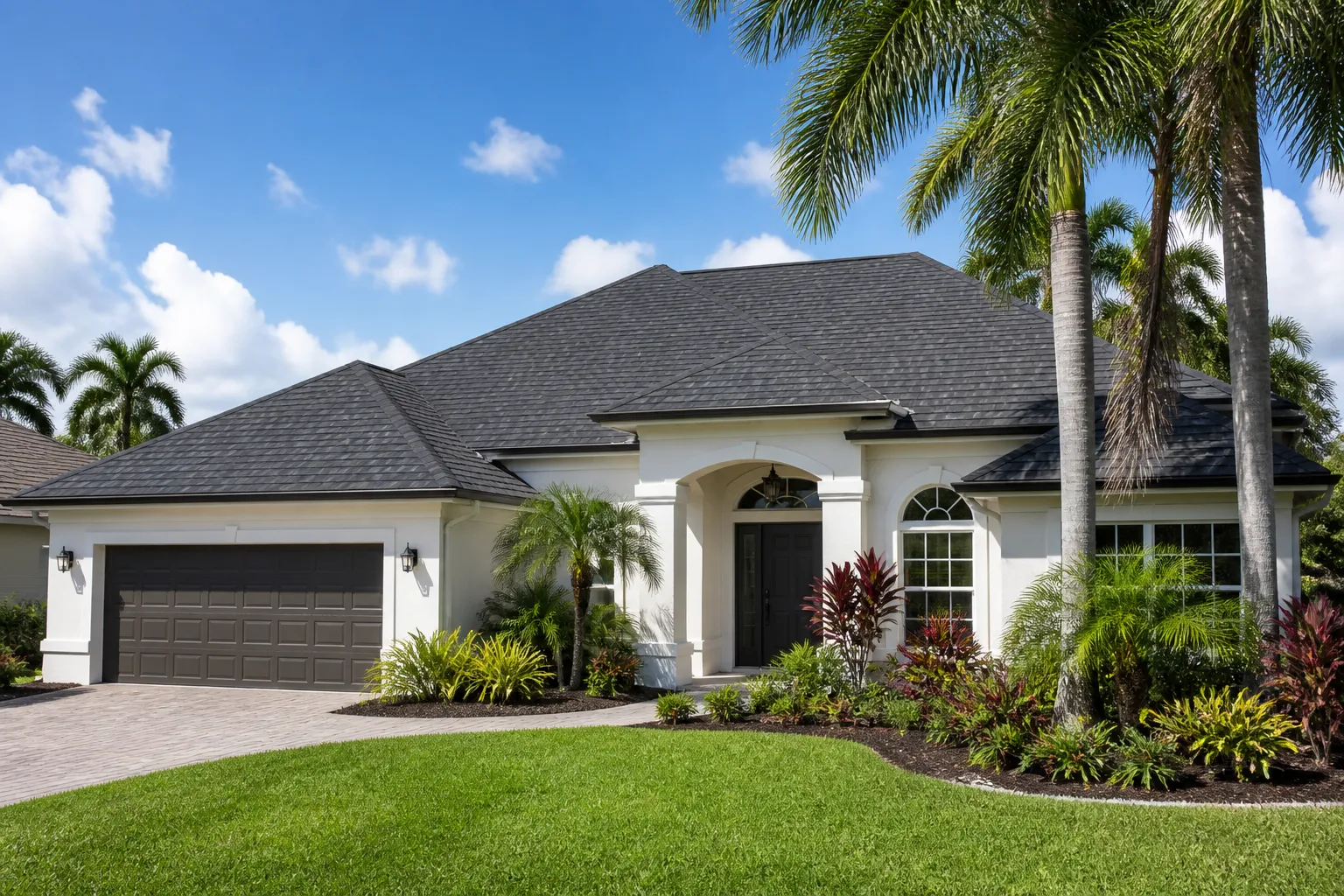
Roof replacement is a major home decision, and it is understandable to want a clear idea of cost before scheduling an estimate. In Coral Springs, a replacement price can vary widely because every roof has its own size, pitch, material, condition, and detail work. The most useful way to think about cost is not as one citywide number, but as a scope built around your specific roof.
A thorough estimate should explain what is being replaced, what preparation is included, and which conditions could affect the final scope. This guide outlines the main variables so you can ask better questions and compare proposals more confidently.
Why roof replacement costs vary
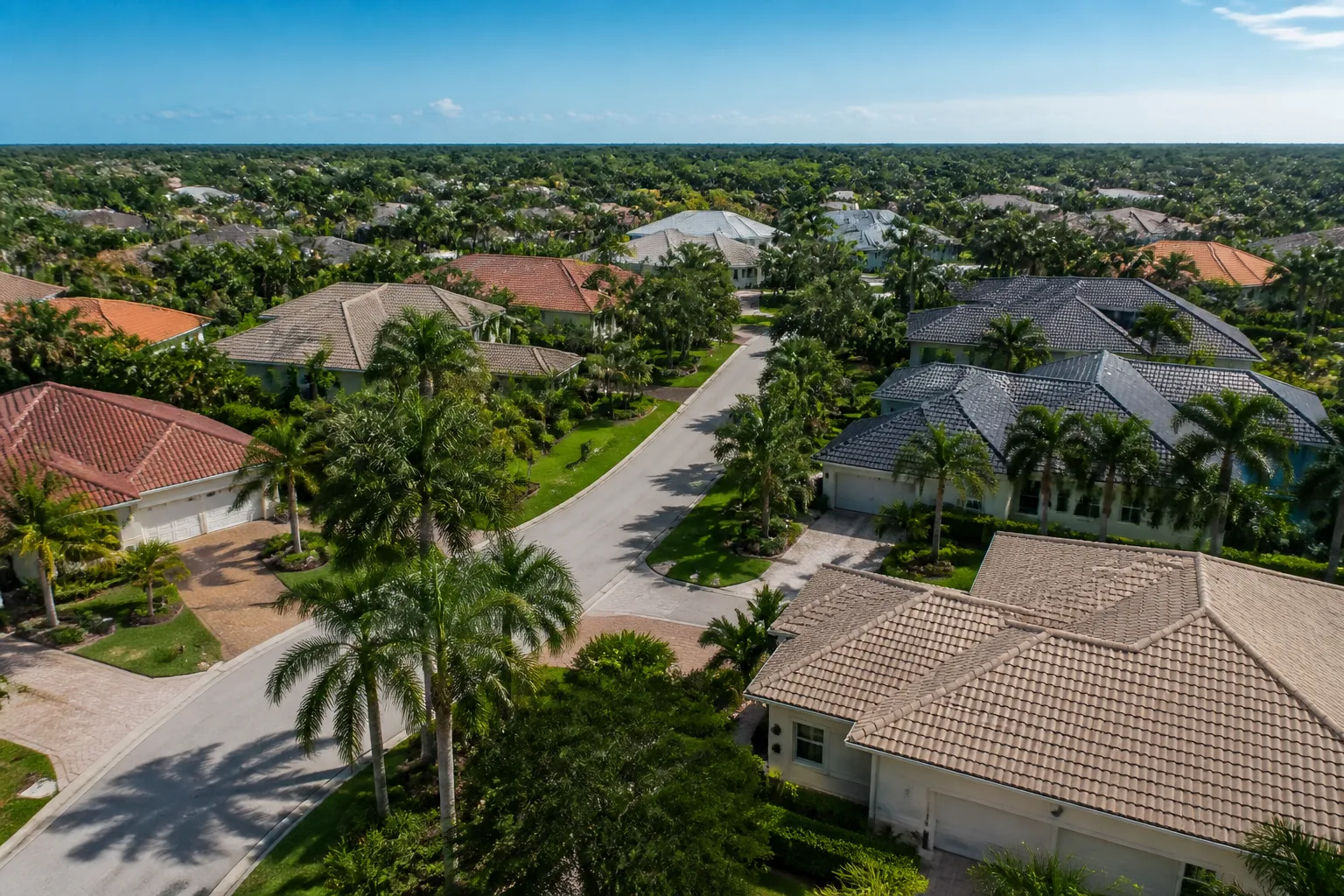
Square footage is important, but it is only the starting point. Roofers measure the actual roof surface, which is usually greater than the home’s interior footprint. A steep roof, a home with many hips and valleys, or a design with multiple levels requires more labor, cutting, flashing, and time than a simple rectangle.
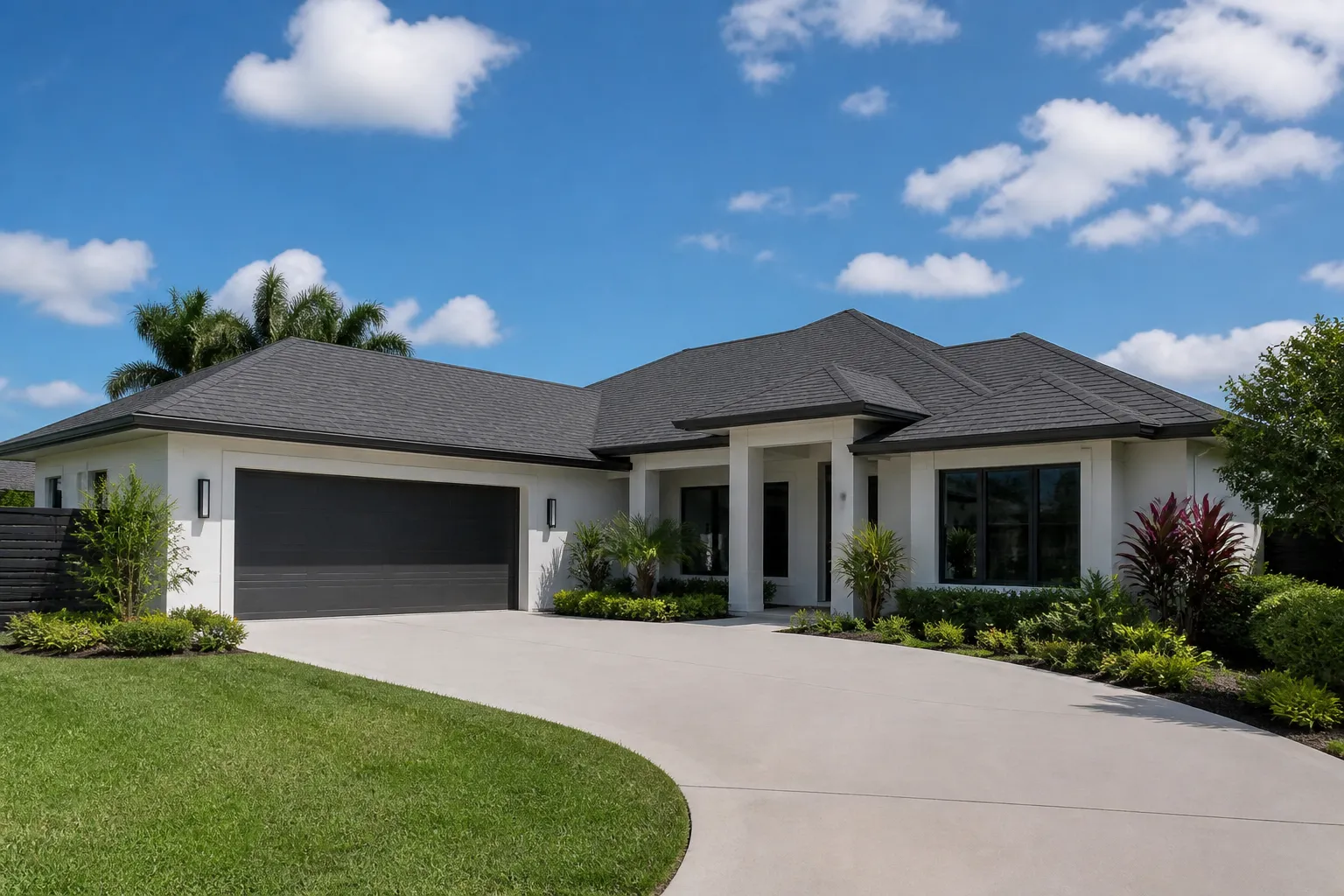
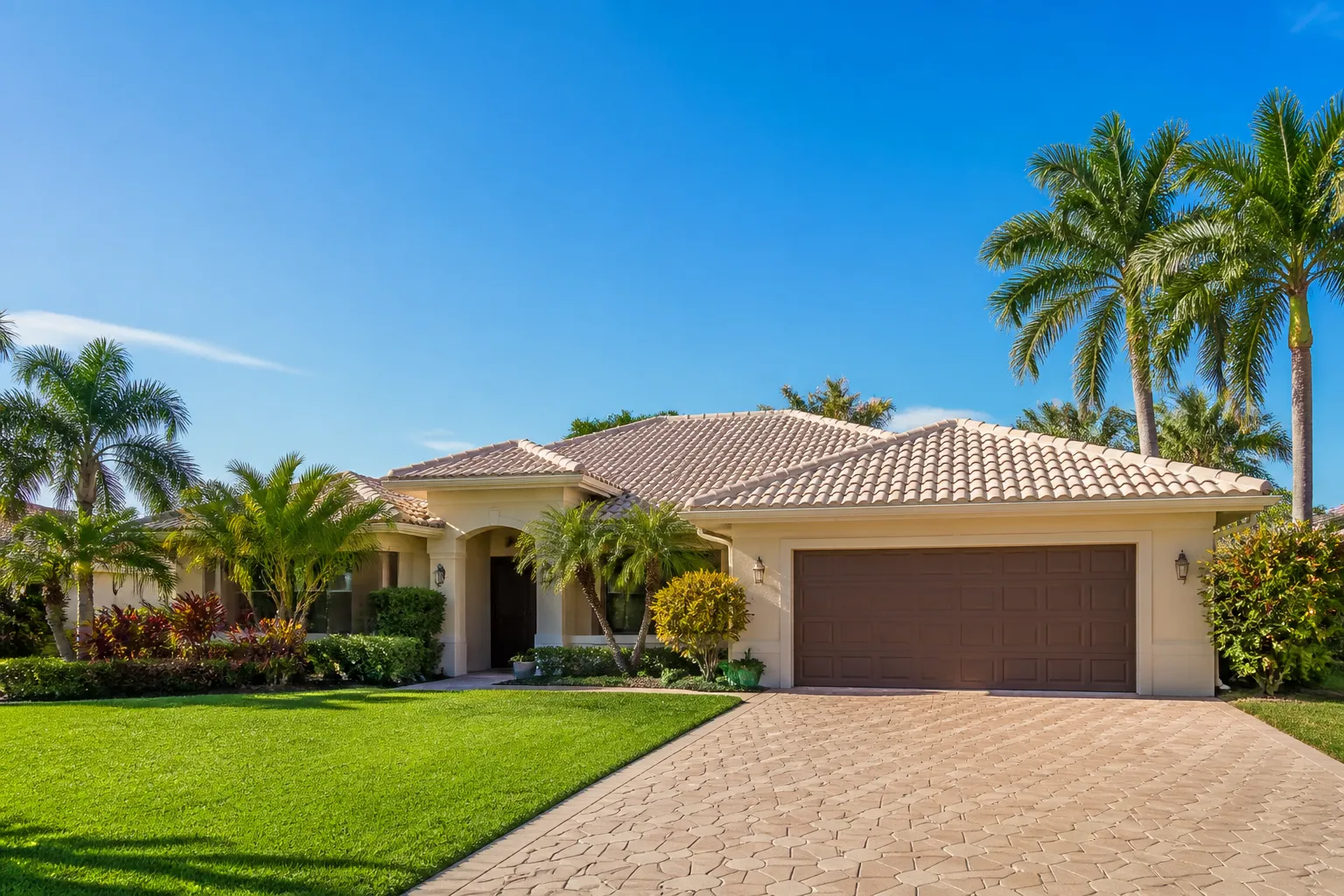
Material is another major factor. Asphalt shingle, tile, metal, and low-slope systems have different product costs and installation methods. The right material should fit the roof design, the home’s appearance, drainage needs, and local weather exposure. Comparing materials solely by their initial price can leave out important differences in maintenance and expected service life.
The parts of an estimate
- Removal and disposal: Existing roofing may need to be removed and disposed of before the new system is installed.
- Decking repairs: If the roof deck has moisture damage or deterioration, affected areas need repair before new materials cover it.
- Underlayment: This layer beneath the visible roof covering is an important part of water protection.
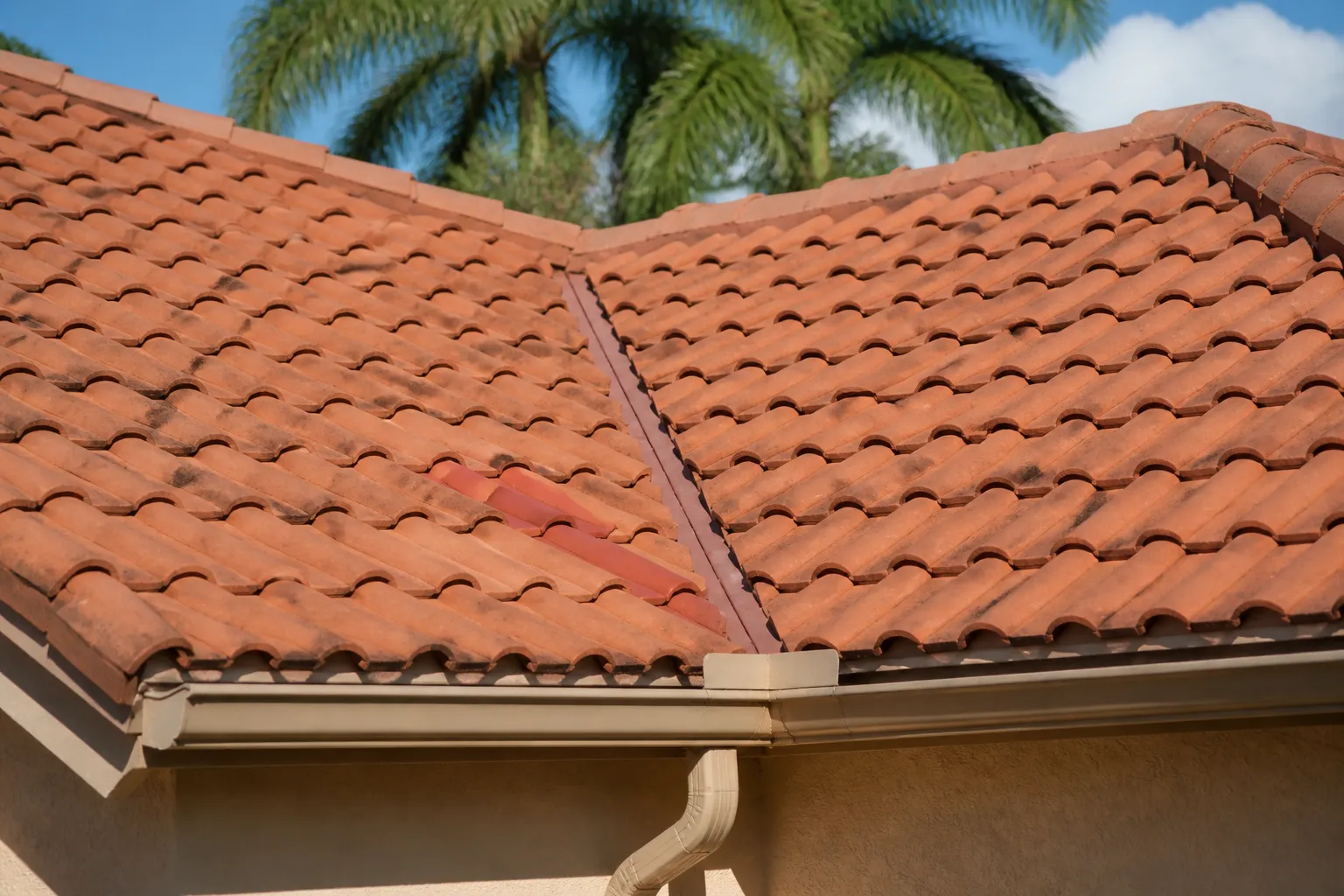
- Flashing and edge details: Valleys, vents, chimneys, walls, and roof edges require compatible components.
- Ventilation and drainage: Existing conditions may influence the recommended scope.
Roof complexity matters
Two homes with a similar interior square footage can have very different roofs. A roof with skylights, plumbing vents, dormers, chimneys, solar equipment, or intersections has more locations that must be carefully waterproofed. Valleys collect significant water flow. Edges and ridges need secure finishing details. These items are not optional extras, they are part of building a complete system.
Accessibility also affects labor. Limited driveway space, landscaping near the home, a multi-story layout, or difficult access to a rear roof plane can change how materials and debris are managed. A detailed site visit lets these practical concerns be considered up front.
Hidden conditions to plan for
Some roof conditions are not visible until old materials are removed. The roof deck may show soft areas, staining, or damaged sections that need attention. Existing flashing can be deteriorated. A prior repair may have added layers or altered drainage. A responsible proposal should identify the known scope and explain how concealed deterioration would be handled if found.
This does not mean every roof will uncover extensive repairs. It means homeowners should understand that a new roof needs a sound base. Covering over compromised decking or ignoring a failed transition can shorten the value of the investment.
How to compare estimates
Ask each contractor to describe the roof system, not just provide a final number. Confirm the material type, underlayment approach, removal scope, flashing details, disposal plan, and whether decking conditions are addressed separately. Be cautious when a proposal is vague about the layers below the finished roof surface.
It also helps to verify that the proposals cover the same roof areas and material options. A lower number may reflect a smaller scope rather than a like-for-like comparison. If something is unclear, request an explanation in writing before making a decision.
Getting a useful roof assessment
Bring any leak history, previous repair information, and photos of storm-related changes to the discussion. Note whether stains appear after heavy rain, wind-driven rain, or only in a certain room. Those details can help identify related flashing or drainage concerns.
Coral Springs Elite Roofing can inspect the roof and explain the practical factors that shape a replacement scope. A clear assessment helps you weigh the condition of the current roof, material options, and the details needed to protect the home.
The bottom line
There is no single accurate roof replacement cost for every Coral Springs home. The most dependable estimate is based on measured roof area, roof design, chosen material, removal needs, accessible deck condition, and complete water-management details. Take time to understand the scope. A roof replacement is more than a visible covering, and the details beneath it matter just as much.